
Pilot Burnout: Mental Health Therapy and Counseling, Specializing
Pilot Burnout: Mental Health Therapy and Counseling, Specializing
By Stephen Rought, LCSW Editorial Team · Updated 2026-08-03
Pilot burnout in aviation shows up as chronic fatigue, irritability, cynicism toward crew or passengers, declining performance, and dread before flights. Stephen Rought, LCSW, provides discreet, career-safe support for pilots in California and Florida, offering diagnosis-free consultations that address stress and burnout without jeopardizing FAA medical certification or cockpit confidentiality.
Key Takeaways
Pilots experience chronic stress that undermines safety performance and long-term mental health outcomes.
Burnout manifests as hopelessness and emotional exhaustion when high-stress tension feels never-ending.
Early detection of anxiety and stress prevents deterioration in flight crew decision-making abilities.
Stephen Rought, LCSW in Chino Hills, CA specializes in aviation professional mental health support.
What Are the Early Signs of Pilot Burnout?
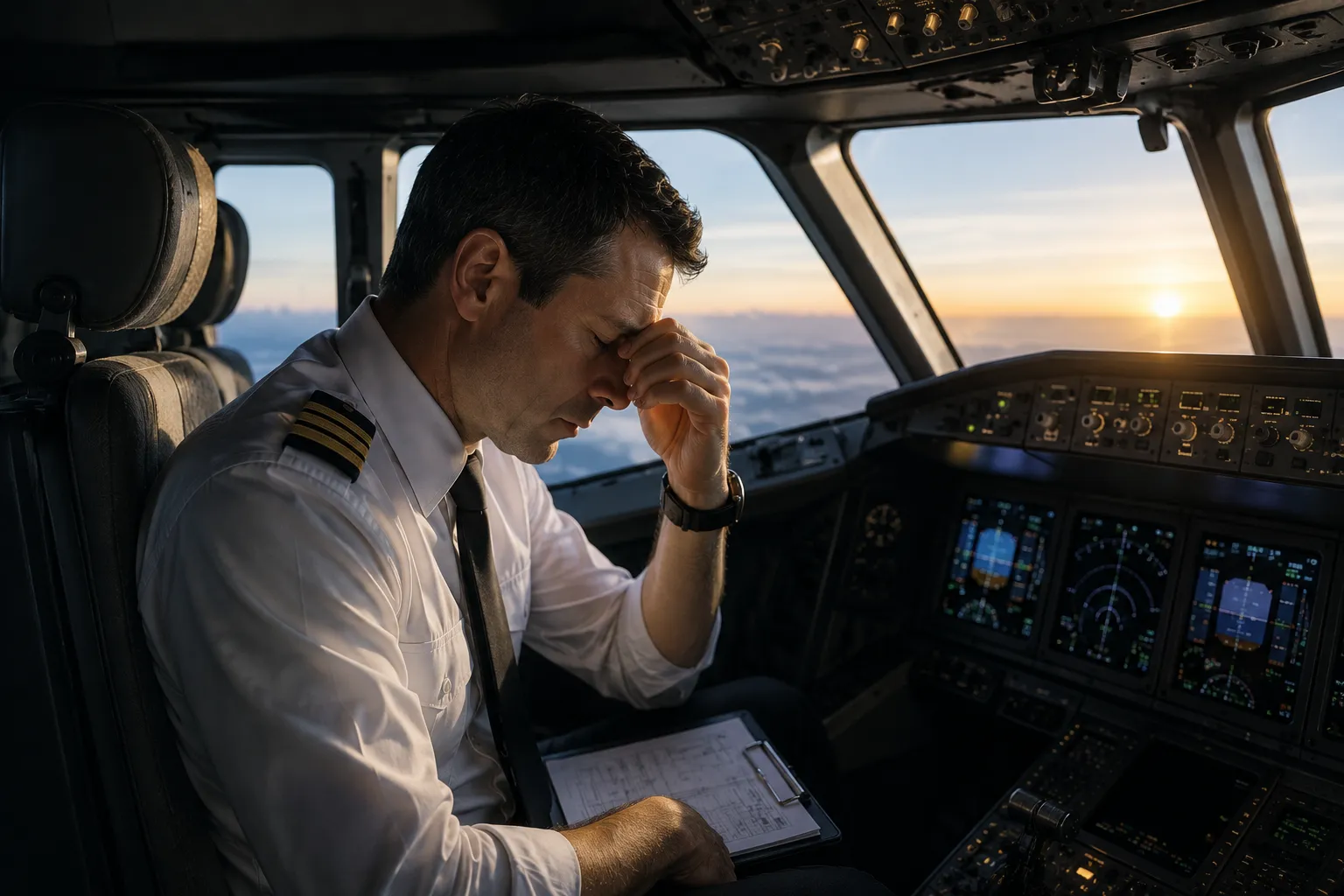
Pilot burnout appears first as emotional flatness, physical fatigue, and mental fog that outlast a single hard duty day. Prolonged stress, not one bad flight, drives these symptoms, according to aviation research on burnout. Left unaddressed, exhaustion compounds across rotations and quietly erodes judgment in the cockpit.
Clinicians and researchers generally describe burnout as three connected components. Exhaustion comes first, followed by growing cynicism toward the job and a shrinking sense of accomplishment. Aviation-specific guidance for flight crews documents these patterns clearly, giving crews and aeromedical examiners a consistent framework for early recognition.
What Does Pilot Burnout Feel Like Day to Day?
Many pilots describe it in blunt, practical terms. Some compare the repetition of sim checks, shift work, and back-to-back schedules to driving the same route endlessly, with missed family milestones piling up in the background. That sense of being worn down by routine, rather than by any single crisis, is a hallmark of early burnout.
Which Warning Signs Deserve Immediate Attention?
Persistent fatigue that sleep does not resolve
Irritability or detachment toward crew and passengers
Declining confidence in decision-making ability
Dread before check-ins or sim evaluations
Aviation safety officers and examiners who spot these patterns early protect both careers and cockpit safety.
Why Does Pilot Burnout Threaten Safety and Health?
Untreated pilot burnout compromises cockpit judgment, physical health, and long-term career stability all at once. Some experienced captains describe the current state of the airline profession as a mental health crisis, warning that the consequences could be catastrophic without intervention. Irregular schedules, constant time zone shifts, and the weight of carrying hundreds of lives compound stress in ways few other jobs demand. That pressure accumulates quietly, often for years, before symptoms surface.
Other industries have responded to rising mental health concerns with structured support and open dialog. Aviation has moved slower. That gap leaves many pilots managing stress, burnout, and anxiety largely on their own, which raises risk for both safety and health.
Can burnout affect flight safety even when a pilot feels fine?
Yes. Burnout builds gradually and often hides behind competence and routine. A pilot can pass every check and still carry chronic fatigue, emotional exhaustion, or diminished focus that erodes split-second decision-making.
What happens if pilot burnout goes untreated long-term?
Left unaddressed, burnout tends to worsen rather than resolve on its own. Consequences include:
Declining in-flight performance and slower reaction times
Increased risk of medical or psychological grounding
Strained relationships and reduced quality of life outside the cockpit
How Can Pilots Address Burnout Discreetly?

Discreet paths to addressing pilot burnout pair confidential counseling with proven clinical techniques such as cognitive behavioral therapy and structured stress-management routines. Behavioral, psychological, and organizational strategies work together to reduce risk and rebuild resilience in flight crews. Cognitive behavioral therapy and mindfulness practices give pilots concrete skills for managing stress between rotations, not vague reassurance.
Confidentiality remains the biggest barrier keeping aviators from seeking help. Fear of grounding, medical review, or career fallout often outweighs the discomfort of untreated stress. Confidentiality-first routes exist specifically to remove that barrier, allowing pilots to access care without triggering reporting concerns tied to certification.
Is it possible to get therapy without a formal diagnosis?
Diagnosis-free support options exist precisely for this reason. Stephen Rought, LCSW structures sessions around stress, burnout, and performance pressures rather than clinical labels that could affect flight status. This approach protects confidentiality while still delivering measurable relief.
Where can pilots find confidential counseling near their base?
Pilots and aviation professionals across California and Florida can access confidential counseling through Stephen Rought, LCSW. Options include:
In-person sessions in Chino Hills for pilots based nearby or passing through
Secure telehealth sessions available statewide in California
Discreet scheduling built around irregular flight rotations
Coordination extended to Florida-based aviation professionals
Each option keeps career protection and privacy central to the process.
Recognizing the signs of pilot burnout—whether physical exhaustion, emotional detachment, or eroding performance—represents a critical step toward reclaiming your well-being and career satisfaction. The demands of aviation are real, and the toll they take deserves professional attention. Seeking support through evidence-based therapy provides the practical tools and compassionate guidance needed to address burnout directly, restore balance, and sustain the resilience your career demands.
FAQ
What are the early signs of pilot burnout?
The clearest pattern to watch for is the three-part sequence clinicians use to flag burnout: exhaustion first, then growing cynicism toward the job, and finally a shrinking sense of accomplishment. Catching that sequence early — rather than waiting for a single bad flight to explain it away — is what lets crews and examiners intervene before performance slips.
Where does Stephen Rought, LCSW provide pilot burnout support?
Stephen Rought, LCSW is located in Chino Hills, CA, and offers discreet, career-safe support for pilots in California and Florida. He provides diagnosis-free consultations that avoid jeopardizing FAA medical certification or cockpit confidentiality.
Why is untreated pilot burnout dangerous?
Untreated burnout compromises cockpit judgment, physical health, and long-term career stability simultaneously, with irregular schedules and constant time zone shifts compounding the stress. It builds gradually, often for years, before symptoms surface and raise safety risks.
