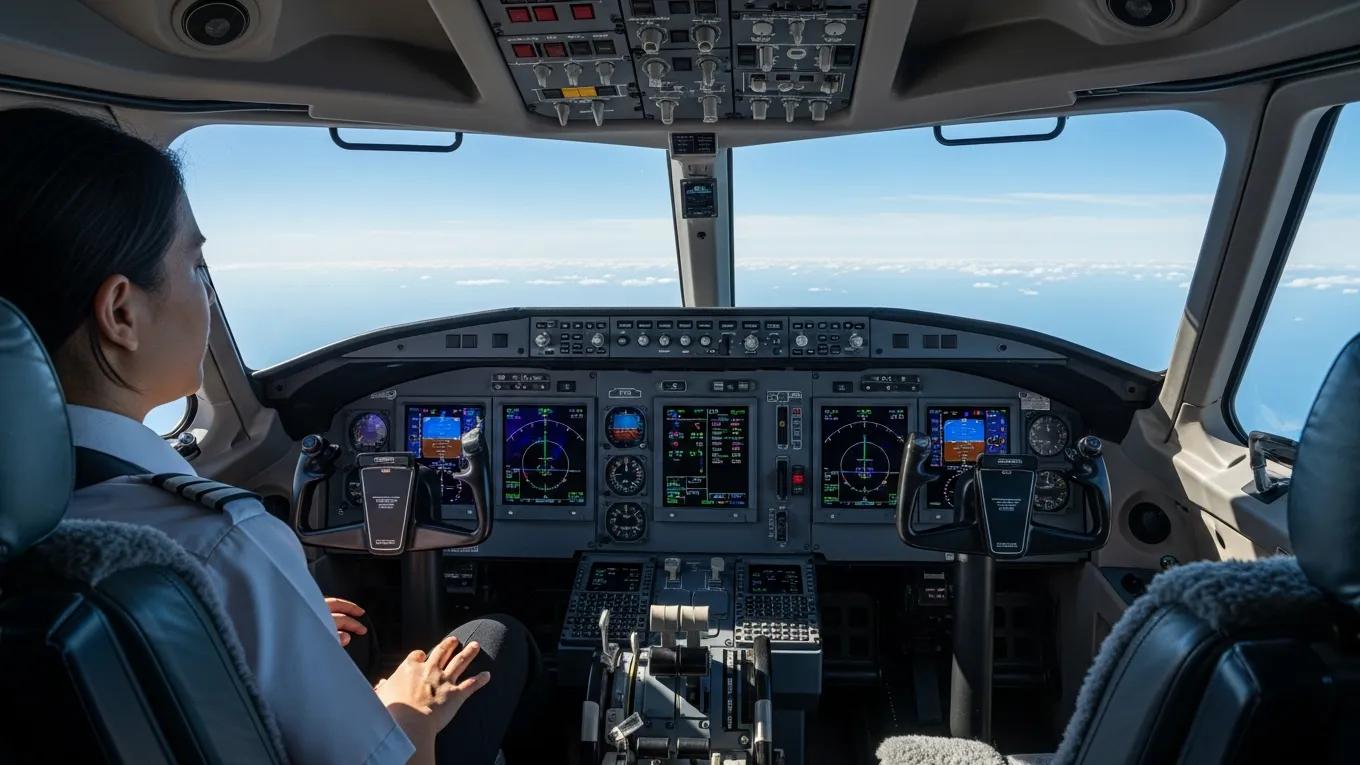
CBT for Pilots: Managing Cockpit Stress & Anxiety
CBT for Pilots: Effective Anxiety and Cockpit Stress Management Strategies
By Stephen Rought, Stephen Rought, LCSW
Managing stress and anxiety in the cockpit is crucial for pilots, as these factors can significantly impact performance and safety. Cognitive Behavioral Therapy (CBT) offers effective strategies tailored to the unique challenges faced by pilots. This article will explore key CBT techniques, practical steps for implementation, and the symptoms of pilot anxiety and cockpit stress. By understanding these elements, pilots can better manage their mental health and enhance their flying experience. We will also discuss how pilots can access professional mental health support, including personalized therapy sessions with Stephen Rought Counseling.
Key CBT Techniques for Pilots

Cognitive Behavioral Therapy encompasses various techniques that can help pilots manage anxiety and stress effectively. These techniques focus on changing negative thought patterns and behaviors that contribute to anxiety.
Cognitive Restructuring: This technique involves identifying and challenging irrational thoughts that lead to anxiety. By reframing these thoughts, pilots can reduce their anxiety levels and improve their decision-making abilities.
Relaxation Techniques: Techniques such as deep breathing and progressive muscle relaxation can help pilots calm their minds and bodies, making it easier to handle stressful situations in the cockpit.
Exposure Therapy: Gradual exposure to anxiety-provoking situations can help pilots desensitize themselves to stressors, ultimately reducing their fear and anxiety over time.
These techniques form the foundation of CBT and can be tailored to meet the specific needs of pilots.
Tools and Best Practices
To effectively implement CBT techniques, pilots can utilize various tools and best practices that enhance their mental health management. For more on how to get started, explore practical steps for implementation.
Daily CBT Exercises: Engaging in daily exercises, such as thought logs and mindfulness practices, can help pilots maintain a positive mindset and manage stress proactively.
Visualization Techniques: Imagining successful flight scenarios can help pilots build confidence and reduce anxiety before flights.
Peer Support Programs: Connecting with fellow pilots through support groups can provide a sense of community and shared experience, which is vital for mental well-being.
These tools and practices can significantly improve a pilot's ability to manage stress and anxiety.
Many aviation professionals also benefit from specialized therapy for pilots designed to address the unique mental health demands of high-pressure aviation careers.
Practical Steps for Implementation
Implementing CBT techniques requires a structured approach that pilots can follow to ensure effectiveness.
Self-Assessment: Pilots should begin by assessing their anxiety levels and identifying specific triggers that contribute to their stress.
Consultation with Aviation Psychologists: Seeking professional guidance from aviation psychologists can provide tailored strategies and support for managing anxiety.
Group Workshops: Participating in workshops focused on CBT techniques can enhance learning and provide practical skills for managing stress in the cockpit.
By following these steps, pilots can effectively integrate CBT into their routines.
What Is Pilot Anxiety and How Does Cockpit Stress Affect Mental Health?
Pilot anxiety refers to the feelings of apprehension and fear that can arise in various flying situations. Cockpit stress, on the other hand, encompasses the pressures and demands placed on pilots during flight operations. Both can significantly impact mental health and overall performance.
Pilot anxiety can manifest in various ways, including excessive worry about flight safety, fear of making mistakes, and concerns about passenger reactions. Cockpit stress can arise from factors such as workload, time pressure, and environmental conditions. Understanding these elements is crucial for pilots to manage their mental health effectively. Many pilots find specialized services like therapy for addiction beneficial, though the core principles of CBT are widely applicable to managing general anxiety.
Identifying Common Symptoms and Causes of Cockpit Stress
Recognizing the symptoms and causes of cockpit stress is essential for pilots to address their mental health proactively.
Physical Symptoms: These may include increased heart rate, sweating, and fatigue, which can hinder a pilot's ability to perform effectively.
Cognitive Symptoms: Difficulty concentrating, indecisiveness, and negative thinking patterns can arise from stress and anxiety.
Emotional Symptoms: Feelings of irritability, frustration, and sadness can indicate heightened stress levels.
By identifying these symptoms, pilots can take steps to mitigate their impact on performance.
How Does Cognitive Behavioral Therapy Help Pilots Manage Anxiety?
Cognitive Behavioral Therapy is particularly effective for pilots as it addresses the specific cognitive patterns that contribute to anxiety. CBT helps pilots by:
Cognitive Restructuring: This process allows pilots to identify and challenge negative thoughts, replacing them with more rational and positive ones.
Relaxation Techniques: CBT incorporates relaxation strategies that help pilots manage physiological responses to stress, promoting calmness during flights.
Exposure Therapy: Gradual exposure to anxiety-inducing situations helps pilots build resilience and reduce fear over time.
These methods empower pilots to take control of their mental health and improve their flying performance.
Core Principles of CBT Tailored for Aviation Anxiety
The core principles of CBT can be adapted to address the unique challenges faced by pilots. These principles include:
Thought Awareness: Pilots learn to recognize their thoughts and how they influence emotions and behaviors.
Behavioral Activation: Engaging in positive activities can counteract feelings of anxiety and promote a sense of accomplishment.
Mindfulness Practices: Incorporating mindfulness into daily routines helps pilots stay present and focused, reducing anxiety during flights.
By applying these principles, pilots can enhance their mental resilience and overall well-being.
Evidence-Based Benefits of CBT in Reducing Pilot Stress
Research has shown that CBT can significantly reduce stress and anxiety levels in pilots. Some of the evidence-based benefits include:
Reduction in Anxiety Symptoms: Studies indicate that pilots who engage in CBT experience a marked decrease in anxiety symptoms, leading to improved performance.
Improved Decision-Making: By managing anxiety, pilots can make clearer and more rational decisions during flights.
Enhanced Emotional Resilience: CBT fosters emotional resilience, enabling pilots to cope better with stressors and challenges in the cockpit.
These benefits highlight the importance of integrating CBT into pilot training and mental health support.
What Are the Key Symptoms and Signs of Cockpit Stress in Pilots?
Recognizing the key symptoms and signs of cockpit stress is vital for pilots to address their mental health proactively.
Physical Symptoms: Increased heart rate, shortness of breath, and muscle tension can indicate stress during flight.
Cognitive Impairment: Difficulty concentrating and making decisions can arise from heightened stress levels.
Emotional Changes: Feelings of anxiety, irritability, and frustration can signal the need for stress management strategies.
By being aware of these symptoms, pilots can take proactive steps to manage their mental health.
Physical and Emotional Indicators of Stress During Flight
During flight, pilots may experience various physical and emotional indicators of stress that can affect their performance.
Increased Heart Rate: A rapid heartbeat can signal anxiety and stress, making it difficult to focus on flying tasks.
Shortness of Breath: Difficulty breathing can exacerbate feelings of panic and anxiety in the cockpit.
Persistent Worry: Ongoing concerns about flight safety or performance can distract pilots from their responsibilities.
Recognizing these indicators is crucial for pilots to implement effective stress management techniques.
Recognizing Early Warning Signs to Prevent Anxiety Escalation
Identifying early warning signs of anxiety can help pilots prevent escalation and maintain their mental health.
Decreased Motivation: A lack of interest in flying or related activities can indicate rising anxiety levels.
Increased Irritability: Heightened frustration or irritability can signal the need for stress management.
Persistent Fatigue: Ongoing tiredness can be a sign of mental exhaustion and stress.
By recognizing these signs, pilots can take proactive measures to address their mental health.
Which Stress Reduction Techniques Complement CBT for Pilots?

In addition to CBT, several stress reduction techniques can complement pilots' mental health management. For comprehensive support, consider exploring Stephen Rought Counseling for various mental health services.
Mindfulness Practices: Techniques such as meditation and deep breathing can help pilots stay grounded and focused.
Physical Fitness: Regular exercise can reduce stress levels and improve overall well-being.
Peer Support Programs: Engaging with fellow pilots in support groups can provide valuable emotional support and shared experiences.
These complementary techniques can enhance the effectiveness of CBT in managing pilot anxiety.
Practical Coping Strategies for Managing In-Flight Anxiety
Pilots can employ various coping strategies to manage in-flight anxiety effectively.
Cognitive Reframing: Changing negative thoughts into positive affirmations can help pilots maintain a calm mindset.
Breathing Exercises: Practicing deep breathing can reduce physiological symptoms of anxiety during flights.
Mental Anchors: Using mental cues or anchors can help pilots refocus their attention and reduce anxiety.
These strategies can empower pilots to manage their anxiety effectively while flying.
Integrating Relaxation and Mindfulness Practices in Pilot Routines
Incorporating relaxation and mindfulness practices into daily routines can significantly benefit pilots' mental health.
Breathing Exercises: Regular practice of deep breathing techniques can help pilots manage stress and anxiety.
Grounding Techniques: Engaging in grounding exercises can help pilots stay present and focused during flights.
Mindfulness Practices: Incorporating mindfulness into daily routines can enhance overall well-being and reduce anxiety.
By integrating these practices, pilots can create a supportive environment for their mental health.
How Can Pilots Access Professional Mental Health Support and Therapy Sessions?
Accessing professional mental health support is essential for pilots seeking to manage their anxiety effectively. You can learn more about the about services offered by Stephen Rought Counseling and their approach to mental health.
Specialized Therapy Services: Pilots can benefit from therapy services tailored to their unique challenges and experiences.
Peer Support Programs: Engaging with fellow pilots in support groups can provide valuable emotional support and shared experiences.
Online Therapy Platforms: Many pilots find online therapy platforms convenient for accessing mental health support.
These options provide pilots with the resources they need to manage their mental health effectively.
Booking Personalized CBT Sessions with Stephen Rought Counseling
For pilots seeking personalized therapy sessions, Stephen Rought Counseling offers specialized services designed to address anxiety and stress management. You can explore the comprehensive range of therapy services available to address pilot-specific needs.
Initial Contact Process: Pilots can easily reach out to schedule an initial consultation to discuss their needs.
Personalized Sessions: Therapy sessions are tailored to meet the unique challenges faced by pilots, ensuring effective support.
Ongoing Support Options: Stephen Rought Counseling provides ongoing support to help pilots maintain their mental health over time.
These personalized services can significantly enhance pilots' ability to manage anxiety and stress.
What to Expect During Initial Therapy and Onboarding Process
During the initial therapy process, pilots can expect a structured approach to addressing their mental health needs. A good starting point is to review the frequently asked questions about therapy to understand the process better.
Initial Consultation: The first session typically involves discussing the pilot's experiences and identifying specific areas of concern.
Personalized Therapy Plans: Based on the initial assessment, therapists will create a tailored plan to address the pilot's unique challenges.
Confidentiality Assurance: Pilots can expect a safe and confidential environment to discuss their mental health concerns.
This structured approach ensures that pilots receive the support they need to manage their anxiety effectively.
What Are Frequently Asked Questions About CBT and Pilot Mental Health?
Understanding common questions about CBT and pilot mental health can help pilots make informed decisions about their mental health management.
How does CBT help pilots?: CBT provides pilots with tools to manage anxiety and stress through cognitive restructuring and relaxation techniques.
Can pilots receive therapy while flying?: Yes, many pilots can engage in therapy while maintaining their flying responsibilities, especially with online therapy options.
What are the benefits of CBT?: CBT has been shown to reduce anxiety symptoms, improve decision-making, and enhance emotional resilience in pilots.
These insights can guide pilots in their mental health journey.
