
Therapy Blog and Mental Health Resources

Can Therapy Affect My FAA Medical?
Can Therapy Affect My FAA Medical Certificate? Understanding FAA Medical Mental Health Rules and Therapy Confidentiality
By Stephen Rought, Stephen Rought, LCSW
Therapy can affect a pilot’s FAA medical certification, but the relationship is often overstated or misunderstood. Pilots’ mental health matters for safety, and seeking evidence-based help should be done with clear information. This article summarises FAA reporting rules, confidentiality safeguards, common conditions that require disclosure, and practical steps pilots can take to pursue care without unnecessarily risking certification. For tailored guidance, pilots can consult resources such as Stephen Rought Counseling.
What Are the FAA Medical Certificate Therapy Reporting Rules for Pilots?
The FAA requires disclosure of certain mental health conditions and treatments to assess fitness for flight. These rules are safety-focused—noncompliance can lead to denial or revocation of a medical certificate—so pilots should understand which conditions and treatments trigger reporting.
Stephen Rought Counseling offers confidential, aviation‑informed therapy to help pilots understand reporting obligations and manage necessary disclosures while observing professional confidentiality.
Which Mental Health Conditions Must Pilots Disclose to the FAA?
Pilots must disclose a limited set of conditions that can affect operational safety, most notably psychosis, bipolar disorder, and substance use disorders. Because stigma and fear of career consequences can deter help-seeking, pilots should learn reporting rules so they can seek care responsibly.
Pilot Mental Health, Stigma, and FAA Medical Certification
Stigma around mental health can discourage people from seeking necessary treatment. This reluctance may be particularly pronounced among pilots, who may fear revocation or complications in maintaining their medical certification. In response to these concerns, the FAA is implementing enhanced mental health screening guidance for designated aviation medical examiners. Mental health in commercial aviation-depression & anxiety of pilots, 2018
How Does Therapy Impact FAA Medical Certification?
Impact depends on diagnosis, treatment, and documentation. Properly managed, evidence-based therapy often improves decision-making, resilience, and performance. Pilots who work with clinicians knowledgeable about FAA criteria can document care in ways that clarify safety and facilitate ongoing certification.
How Is Therapy Confidentiality Maintained for Pilots Seeking Mental Health Support?
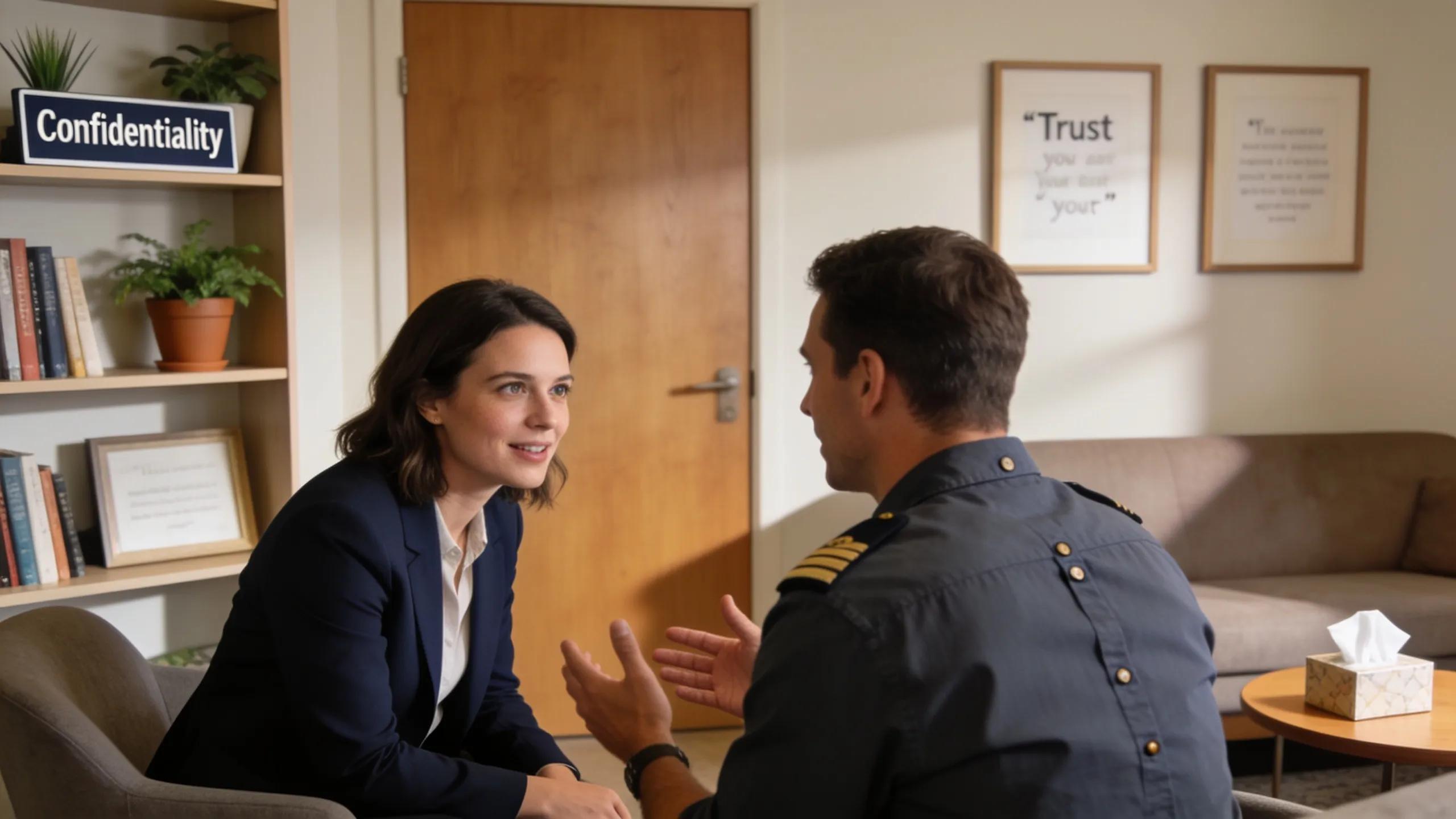
Confidentiality is central to therapy. Licensed clinicians follow ethical and legal rules (such as HIPAA in the U.S.) that restrict disclosure except for specific safety or legal reasons. Some programs provide reporting pathways that let pilots obtain support with reduced immediate disciplinary risk.
What Legal Protections Ensure Pilot Therapy Confidentiality?

HIPAA and similar laws establish patient privacy standards, and FAA policies include limits on unauthorized disclosure of medical information. Knowing these protections helps pilots evaluate privacy risks when choosing care.
How Does Confidential Therapy Support Pilots Without Affecting FAA Certification?
When treatment is evidence-based, documented, and professionally managed, therapy can reduce risk and support continued certification rather than automatically endangering it. Early, appropriate care often improves fitness for duty.
What Are the Steps Pilots Can Take to Safely Seek Therapy Without Jeopardizing Their FAA Medical Certificate?
Pilots can reduce risk by following practical steps:
Choose Aviation-Informed Therapists: Seek clinicians who understand aviation stressors and FAA rules.
Utilize Confidential Reporting Programs: Use programs and clinicians that prioritise confidentiality and explain disclosure requirements.
Regular Check-Ins with Aviation Medical Examiners (AMEs): Keep AMEs informed where required to ensure compliance and clarify documentation needs.
These steps help pilots prioritise mental health while meeting professional and regulatory expectations.
How Can Pilots Navigate FAA Mental Health Disclosure Requirements When Seeking Therapy?
Learn the disclosure process, work with FAA‑aware therapists, and choose treatments that align with safety and reporting needs. Clear planning and communication reduce uncertainty and streamline compliance.
Which Therapy Practices Are Recommended for Pilots Concerned About FAA Medical Status?
Common, evidence‑based options include:
Cognitive Behavioral Therapy (CBT): Effective for anxiety and stress management.
Mindfulness Techniques: Help with focus and emotional regulation.
Group Therapy: Offers peer support and shared strategies among aviation professionals.
These approaches build coping skills and peer support without introducing unnecessary risk when managed professionally.
Where Can Pilots Find Answers to Common Questions About FAA Medical Mental Health and Therapy?
Reliable resources include:
FAA's Official Guidelines: The primary source for certification rules.
Specialized Counseling Services: Providers who focus on pilot mental health, like Stephen Rought Counseling. For details, see their services page.
Crisis Intervention Resources: For immediate, urgent support.
These sources help pilots make informed choices while meeting FAA obligations.
Does Therapy Automatically Disqualify a Pilot’s FAA Medical Certificate?
No. Therapy alone is not an automatic disqualifier. Many pilots receive treatment and continue to fly safely when care is documented and oversight addresses safety concerns.
How Does the FAA Handle Mental Health Disclosures Related to Therapy?
The FAA assesses disclosures with focus on current risk and treatment outcomes rather than assuming punitive measures. Transparent reporting helps examiners evaluate fitness for flight. For personalised assistance, Stephen Rought Counseling can advise on options and rights.
For substance-use concerns, structured programs such as therapy for addiction provide treatment while addressing reporting obligations.
Frequently Asked Questions
1. Can pilots seek therapy without fearing repercussions on their FAA medical certification?
Yes. With appropriate documentation and clinicians who understand FAA rules, pilots can seek therapy and maintain certification.
2. What should pilots consider when choosing a therapist?
Prefer clinicians with aviation experience or FAA knowledge. Confirm confidentiality practices and that they can explain reporting obligations clearly.
3. Are there risks of not disclosing therapy to the FAA?
Yes. Not reporting required conditions or treatments can lead to denial or revocation of certification; learn which diagnoses require disclosure.
4. How can a pilot ensure they are in compliance with FAA regulations during therapy?
Communicate with your AME, choose FAA‑aware therapists, and use confidential reporting programs when appropriate. Regularly review FAA guidance.
5. What support resources are available for pilots experiencing mental health challenges?
FAA guidance documents, specialised counselling, crisis hotlines, and peer support groups are available. Services such as Stephen Rought Counseling provide aviation‑focused care.
6. How does engaging in therapy help pilots in their profession?
Therapy can improve resilience, reduce stress, and support decision-making—benefits that enhance safety and professional performance.
7. What should pilots do if they encounter stigma related to mental health issues?
Seek factual information, connect with peers and advocates, and consider specialist services that understand aviation culture to reduce stigma and get appropriate care.


Stephen Rought, LCSW
Proudly Accepting
Aetna Insurance

Disclaimer
Stephen Rought, LCSW does not guarantee any specific outcome. All content provided on the Stephen Rought, LCSW website is provided for educational or informational purposes only. Consult medical professionals you are working with about whether any opinions or recommendations provided through this website apply to you and your unique circumstances
Currently, all online therapy sessions are conducted using the HIPPA compliant Telehealth service doxy.me
SErvices
Individual Therapy
Parent Coaching
Financial Therapy
Couples Counseling
Family Therapy