
Addiction Blogs
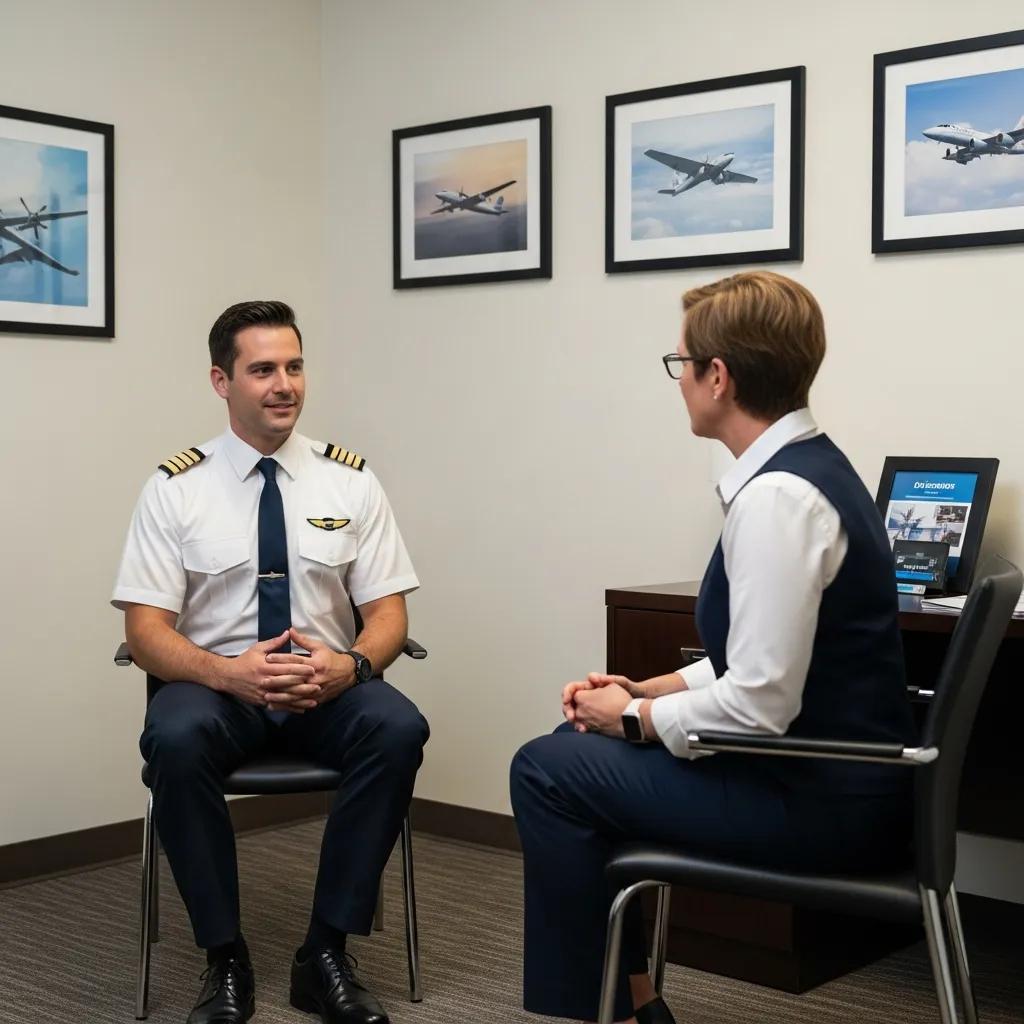
Aviation Therapy: Essential Support Beyond the Cockpit
Aviation Therapy for Pilots: Practical, Confidential Support That Protects You and Your Career
Aviation therapy delivers mental health care that’s built around the realities of flight operations — irregular schedules, high-stakes decisions, and the need to protect your professional standing. This guide walks through how focused, confidential therapy treats operational stress, burnout, trauma, and performance anxiety across pilots, crew, air traffic controllers, and students. You’ll find clear signs to watch for, evidence-based options like Cognitive Behavioral Therapy (CBT) and EMDR, and step-by-step instructions for getting discreet care that minimizes risk to medical certification. We also map role-specific concerns to practical therapeutic strategies, explain how diagnosis-free, HIPAA-compliant care interacts with FAA processes, and cover onboarding and common insurance notes (including Aetna and Medicare). By the end you’ll know which interventions tend to reduce symptoms most quickly, how confidentiality safeguards work in practice, and how to begin care without jeopardizing your career.
What Are the Unique Mental Health Challenges Faced by Aviation Professionals?
Aviation work combines operational, environmental, and cultural stressors that create specific mental-health risks. Irregular hours and circadian disruption worsen fatigue and sleep problems; the constant need for high-consequence decision-making raises stress; and exposure to incidents or in‑flight emergencies can trigger acute reactions. Stigma and concern about licensing often delay help-seeking, which lets problems worsen. Recognizing these contributors helps shape prevention and therapy that prioritize safety, resilience, and career protection.
How Do Stress, Burnout, and Trauma Affect Pilots and Flight Crew?

Persistent stress and accumulated fatigue impair attention, slow reaction times, and reduce working memory — all of which undermine in‑flight performance. As burnout advances, pilots and cabin crew commonly experience irritability, disrupted sleep, and heightened risk‑taking, which can erode judgment and team coordination. Acute events — near misses, emergency procedures, or onboard violence — may cause intrusive memories, hypervigilance, and avoidance that interfere with returning to duty. Early recognition matters: improving sleep, teaching cognitive coping skills, and offering trauma-focused interventions can restore performance and prevent escalation into safety‑critical impairment.
Post‑Traumatic Stress Disorder Assessment in Aviation: A Case Study of Turbulence‑Induced Trauma
ABSTRACT: This study reviews policy and practical assessment procedures for post‑traumatic stress disorder in aviation, using turbulence-triggered trauma as a focused example. Research integrity and auditing teams oversee the methods that protect the scientific record and ensure clinical rigor.
Assessment policy of post‑traumatic stress disorder in aviation and its practical application using turbulence‑triggered trauma as an example, 2025
What Are the Common Anxiety and Depression Concerns Among Air Traffic Controllers and Aviation Students?
Air traffic controllers and aviation students face intense cognitive demands and constant evaluation pressure. Controllers routinely manage prolonged high-stakes attention and split-second decisions, which can produce burnout and mood changes when recovery time is limited. Students moving into formal training often struggle with imposter feelings, test anxiety, and disrupted sleep that undermine learning and confidence. Effective care pairs cognitive restructuring, performance skills training, and scheduling strategies to rebuild resilience and restore learning capacity.
How Does Confidential Aviation Therapy Protect Your Career Without a Diagnosis?
Confidential aviation therapy can be provided in a diagnosis‑free format that emphasizes skills, coping, and functional improvement rather than formal psychiatric labels. That approach reduces the amount of diagnostic documentation that might appear in outside medical reviews while still delivering evidence‑based care to reduce symptoms and restore operational performance. HIPAA keeps therapy records private except in narrow legal situations, and clinicians familiar with aviation can advise if and when disclosure to an AME is appropriate. Practical documentation strategies — such as recording functional progress instead of diagnostic codes — help you maintain readiness while getting effective support.
Different confidentiality paths carry different career implications; the table below clarifies how HIPAA, FAA reporting, and diagnosis‑free practice typically interact. Use this to weigh privacy protections and disclosure obligations in concrete terms.
Protection PathwayCharacteristicPractical Effect for Career ProtectionHIPAA Privacy RuleLimits who can access clinical recordsTherapy notes are generally private and usually require your written authorization to be releasedFAA Medical ReportingMedical examiners assess fitness for dutyDisclosure depends on the AME's evaluation; routine therapy alone is not typically automatically reportedDiagnosis-Free SupportFocuses on skills and functioning instead of formal diagnosisReduces formal diagnostic coding while still addressing symptoms and operational goals
This comparison illustrates that confidential, function-focused therapy supports both health and career continuity. The next section explains diagnosis-free care in more detail and describes practical documentation practices clinicians use to align therapy with aviation requirements.
What Is Diagnosis-Free Support and Why Is It Important for Pilots?
Diagnosis‑free support centers treatment on symptom reduction, resilience skills, and performance strategies without creating formal diagnostic records that might be reviewed by outside parties. For pilots and other high‑stakes professionals, this lets clinicians apply CBT, skills training, and brief trauma work while minimizing written diagnostic labels. Success is measured by restored functioning — better sleep, reduced anxiety, and steady decision‑making — not by diagnostic categories, which encourages earlier help‑seeking. Clear conversations about documentation and consent make it explicit what is recorded and how it might be shared, reducing worry about career consequences.
How Does Stephen Rought’s Therapy Align with FAA Regulations and HIPAA Compliance?
Stephen Rought, LCSW — Aviation‑Aware Counseling offers confidential, FAA‑informed therapy that emphasizes diagnosis‑free, career‑protective approaches for aviation professionals across California. The practice follows HIPAA standards and understands FAA medical considerations, helping clients decide when to consult an AME and how therapeutic work can support a safe return to duty. Clinicians experienced in aviation commonly document progress in functional terms and advise clients on voluntary disclosure to medical examiners, balancing privacy with regulatory requirements. That approach reassures professionals that therapy can improve safety and well‑being without unnecessary risk to certification.
Which Therapeutic Approaches Are Most Effective for Aviation Stress and Trauma?

Evidence‑based therapies — Cognitive Behavioral Therapy (CBT), Eye Movement Desensitization and Reprocessing (EMDR), and mindfulness‑based approaches — address presentations from performance anxiety to trauma. Each targets different mechanisms: CBT reshapes unhelpful thoughts and behaviors, EMDR helps reprocess traumatic memories, and mindfulness calms physiological arousal and sharpens attention. For busy aviation professionals, brief, goal‑focused treatments and telehealth delivery make these options practical while preserving continuity of care. The table below compares each modality by mechanism, session focus, and typical outcomes for aviation‑related issues.
ApproachMechanismTypical Session FocusCognitive Behavioral Therapy (CBT)Restructures thoughts and tests beliefs through behavioral experimentsPerformance anxiety, sleep problems, fatigue‑related thinking patternsEMDRBilateral stimulation to reprocess and integrate traumatic memoriesNear‑misses, accident‑related trauma, intrusive memoriesMindfulness-Based TherapyAttention training and acceptance to reduce reactivityChronic stress, lapses in attention, resilience building
This comparison helps clinicians and clients choose approaches that match immediate needs and timelines. The next sections describe practical uses of CBT and EMDR for pilots and crews.
How Does Cognitive Behavioral Therapy Help Pilots Manage Stress and Anxiety?
CBT helps pilots identify and challenge flight‑related thinking errors — for example, catastrophic predictions about routine events — and replace avoidance with graded exposure. Work typically includes thought records to dispute unhelpful beliefs, behavioral activation to rebuild healthy routines, and sleep‑focused strategies to counter circadian disruption. Behavioral experiments simulate low‑risk exposures that recalibrate threat appraisal and build confidence before flights. Over weeks of targeted practice, these techniques translate into better pre‑flight preparation, calmer in‑flight decision‑making, and measurable decreases in anxiety.
What Role Does EMDR Play in Treating Aviation-Related Trauma?
EMDR uses a structured eight‑phase protocol to reprocess distressing memories and reduce their emotional intensity, helping restore adaptive memory networks. For pilots and crew who experienced near misses, emergency evacuations, or violent incidents, EMDR can accelerate symptom relief by desensitizing intrusive images and physiological reactions. Treatment often focuses on a few target memories across several sessions; many clients report fewer flashbacks and better concentration afterward. When paired with stabilization skills and clear functional goals, EMDR can support a safe and often relatively swift return to operational competence.
Who Can Benefit from Aviation Therapy Services in California?
Specialized therapy benefits a broad range of aviation roles: commercial and private pilots working on performance anxiety, flight attendants handling passenger incidents and shift work, air traffic controllers facing cognitive‑load stress, AMEs consulting on medical fitness, and students managing transition and assessment pressures. Interventions are tailored to role‑specific schedules, reporting obligations, and operational demands to deliver career‑focused outcomes. Services are available in‑person in Chino Hills and via telehealth across California, making discreet care accessible statewide.
Aviation RoleCommon ConcernsTherapeutic FocusCommercial PilotsPerformance anxiety, fatigue, return‑to‑duty planningCBT for performance, sleep optimization, functional planningPrivate PilotsDecision‑making under pressure, situational anxietySkills training, graded exposure, decision‑making practiceFlight AttendantsTrauma exposure, irregular schedules, sleep disruptionTrauma processing, mindfulness, sleep hygieneAir Traffic ControllersCognitive overload, burnout, sustained attention demandsStrategic cognitive techniques, schedule‑based recovery plansStudents / TraineesTest anxiety, transition stress, confidence gapsPerformance coaching, CBT, resilience skill‑building
This role‑based mapping shows which interventions typically produce the best functional outcomes. The sections that follow offer practical guidance for pilots and crew seeking discreet support.
What Support Is Available for Commercial and Private Pilots?
Commercial pilots often need structured plans for performance anxiety, fatigue management, and stepwise return‑to‑duty protocols. Private pilots commonly focus on decision‑making confidence and situational exposure work. Treatment plans emphasize measurable operational goals: consistent sleep, regulated arousal before flights, and graded exposure to anxiety triggers. Early, confidential intervention prevents escalation and supports continued certification. When regulatory concerns arise, clinicians can document function and coping skills instead of diagnostic labels to limit unnecessary scrutiny while improving safety.
How Do Flight Attendants, Air Traffic Controllers, and Aviation Students Access Confidential Therapy?
Flight attendants, controllers, and students can use flexible telehealth sessions, brief‑format interventions, and scheduling strategies that fit rotating shifts or training timetables. Confidential teletherapy delivers CBT modules, trauma stabilization, and mindfulness practices in short, focused sessions. Peer‑support programs or coordinated AME consultations can run alongside clinical care without compromising confidentiality. Practical tips include keeping session times consistent when possible and using structured homework to preserve progress across irregular duty windows.
How Can Aviation Professionals Get Started with Confidential Therapy?
Starting confidential aviation therapy is straightforward: complete a brief intake, do an initial assessment focused on operational goals, and agree on a documentation plan that protects privacy while targeting symptom reduction. The process emphasizes clear documentation practices, clinician‑AME coordination only when needed, and flexible scheduling to match duty rosters. Below is a concise onboarding sequence you can follow to begin care quickly.
Find a clinician experienced with aviation stress and confidentiality practices.
Book an initial assessment to set goals and agree on documentation preferences.
Choose a diagnosis‑free or function‑focused documentation plan if appropriate.
Begin targeted sessions (CBT, EMDR, or mindfulness) via telehealth or in‑person.
Only coordinate with an AME when clinically indicated and with your informed consent.
This stepwise path reduces friction for busy professionals and leads into what to expect at intake and common insurance considerations covered next.
What Are the Steps to Book a Consultation with Stephen Rought, LCSW?
To book with Stephen Rought, LCSW, request an initial appointment through the practice for either in‑person care in Chino Hills or telehealth across California. Intake starts with an assessment of symptoms, functional goals, and documentation preferences so you can select diagnosis‑free support when appropriate. Clinicians will review HIPAA protections and discuss if AME coordination may be advisable, helping you decide what to disclose. Bringing recent medical notes or incident details can make the first session more efficient and keep the focus on operational goals.
Which Insurance Plans Cover Aviation Therapy, Including Aetna and Medicare?
Many insurers cover mental health and telehealth services, and this practice accepts Aetna and Medicare where applicable; verify benefits and copays with your plan. If limits apply, clinicians can provide superbills or discuss out‑of‑network and self‑pay options to preserve confidential care. Confirm telehealth coverage, session limits, and any preauthorization needs before starting treatment to avoid unexpected costs. If coverage is unclear, discuss payment options during intake so care can proceed without interruption.
Frequently Asked Questions
What should I expect during my first therapy session?
The first session is an assessment and planning meeting. Your clinician will ask about your current symptoms, job demands, and goals for therapy. You’ll also discuss confidentiality and documentation preferences so you understand how records are handled. Expect questions about your schedule and any work‑related stressors so the plan is tailored to your role.
How can I maintain confidentiality while seeking therapy?
Therapists who specialize in aviation care follow HIPAA and can offer diagnosis‑free or function‑focused documentation to limit formal diagnostic entries. Be explicit about your documentation preferences at intake and ask how records are stored and shared. That upfront conversation reduces uncertainty and helps you get care while protecting your career.
Are there specific therapy techniques for managing performance anxiety in pilots?
Yes. CBT is particularly effective for performance anxiety — it helps you spot and reframe unhelpful thoughts and build graded exposure to feared situations. Mindfulness practices improve focus and lower physiological arousal before flights. Together these tools strengthen confidence and decision‑making under pressure.
What role does peer support play in aviation therapy?
Peer support reduces isolation and stigma by connecting you with others who understand aviation stressors. Peer groups complement clinical care with shared experiences, practical tips, and emotional support. Combined with therapy, peer networks help normalize help‑seeking and build resilience across the profession.
How can I ensure my therapy aligns with FAA regulations?
Work with a clinician experienced in aviation mental health who understands FAA requirements and documentation practices. Discuss your goals and whether AME coordination might be needed. Choosing diagnosis‑free, function‑focused documentation can also minimize unnecessary scrutiny while still addressing your needs.
What are the benefits of teletherapy for aviation professionals?
Teletherapy offers scheduling flexibility for irregular rosters and travel, is HIPAA‑compliant, and can be as effective as in‑person care for many anxiety, mood, and trauma presentations. It allows continuity of care when you’re on the road and supports short, targeted sessions that fit between duty periods.
Will Therapy Affect My Pilot Medical Certificate or FAA Medical Status?
Therapy alone typically affects FAA medical status only if symptoms reach a level that an AME must evaluate or when a formal diagnosis is directly relevant to the medical assessment. Many clinicians use diagnosis‑free, function‑focused notes that emphasize coping skills and operational readiness rather than diagnostic labels, which lowers the chance of triggering unnecessary review. For definitive guidance, consult an AME and coordinate care with clinicians experienced in aviation confidentiality.
Is Online Therapy Confidential and Effective for Flight Crew with Busy Schedules?
Yes. Secure, HIPAA‑compliant telehealth platforms provide confidential care that is effective for anxiety, burnout, and trauma when delivered by qualified clinicians. Teletherapy accommodates irregular rosters and supports brief, focused sessions to keep progress steady between duty periods. Research shows teletherapy outcomes are comparable to in‑person care for many common conditions, making it a practical option for busy aviation professionals.
Summary of key steps to access confidential care: Choose an aviation‑aware clinician, clarify documentation preferences, verify insurance or payment options, and begin targeted sessions.
Core therapeutic options: CBT for performance and anxiety, EMDR for trauma, mindfulness for chronic stress.
Confidentiality safeguards: HIPAA protections, diagnosis‑free documentation, and clinician‑AME coordination when necessary.
These final points give actionable clarity for professionals deciding whether and how to pursue confidential therapy, and they naturally conclude the topics covered above.


Stephen Rought, LCSW
Proudly Accepting
Aetna and Medicare Insurance


Disclaimer
Stephen Rought, LCSW does not guarantee any specific outcome. All content provided on the Stephen Rought, LCSW website is provided for educational or informational purposes only. Consult medical professionals you are working with about whether any opinions or recommendations provided through this website apply to you and your unique circumstances
Currently, all online therapy sessions are conducted using the HIPPA compliant Telehealth service doxy.me
SErvices
Individual Therapy
Parent Coaching
Financial Therapy
Couples Counseling
Family Therapy