Privacy in Telehealth: How Online Therapy Stays Confidential
Privacy in Telehealth: How Online Therapy Stays Confidential
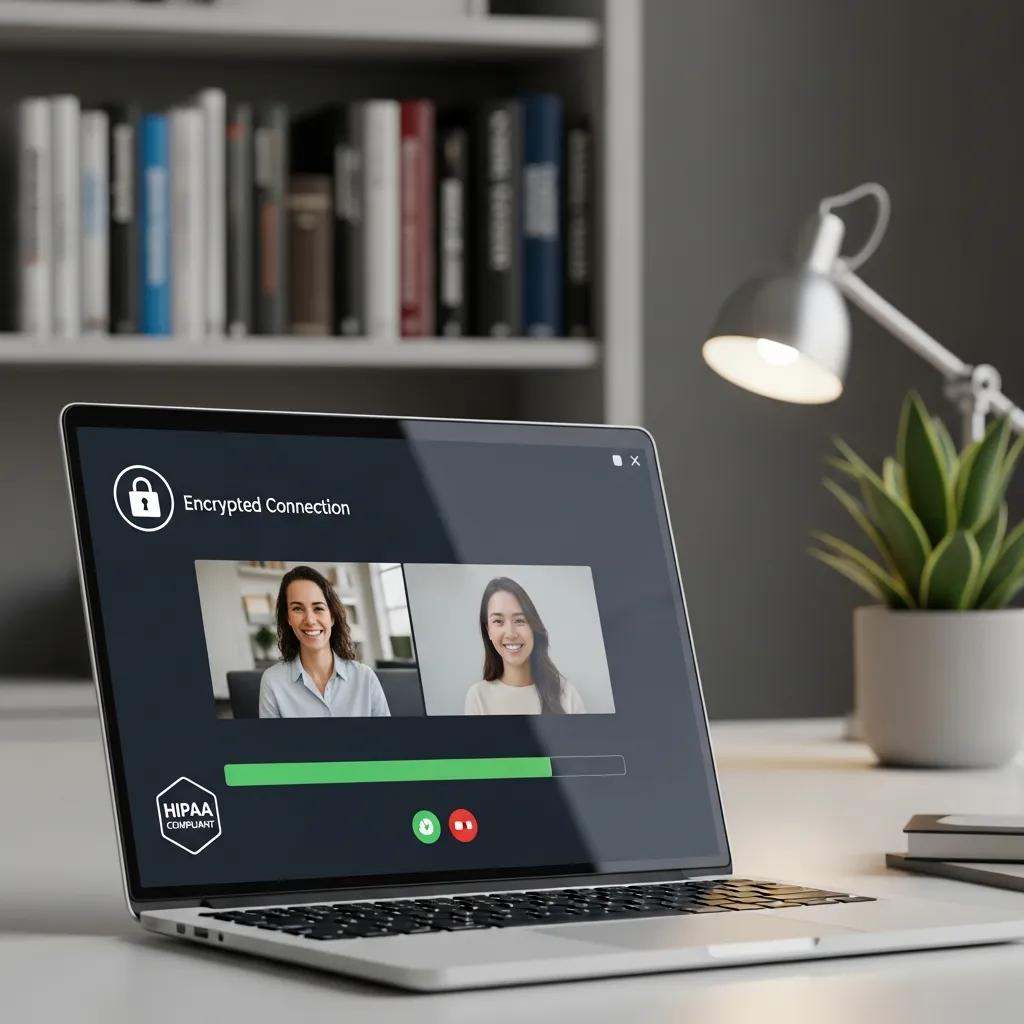
Privacy is central as online therapy grows. According to a 2022 report by the American Psychological Association, over 70% of therapists have integrated telehealth into their practice, making confidentiality protections more critical than ever. This article summarizes how telehealth services protect sessions, focusing on HIPAA, encryption, and practical steps clients can take to reduce risks to personal information.
Recognizing common vulnerabilities helps clarify why the protections built into telehealth are necessary. A 2019 study published in the Journal of Medical Internet Research found that 85% of telehealth users expressed concerns about data privacy, underscoring the importance of robust security measures.
Telehealth Privacy Risks & Federal Law
Summarizes privacy risks and security threats to telehealth applications and examines the extent to which technical controls and federal law address those risks. For telehealth to succeed, privacy and security risks must be identified and addressed. JL Hall, 2014
HIPAA Compliant Teletherapy Platforms
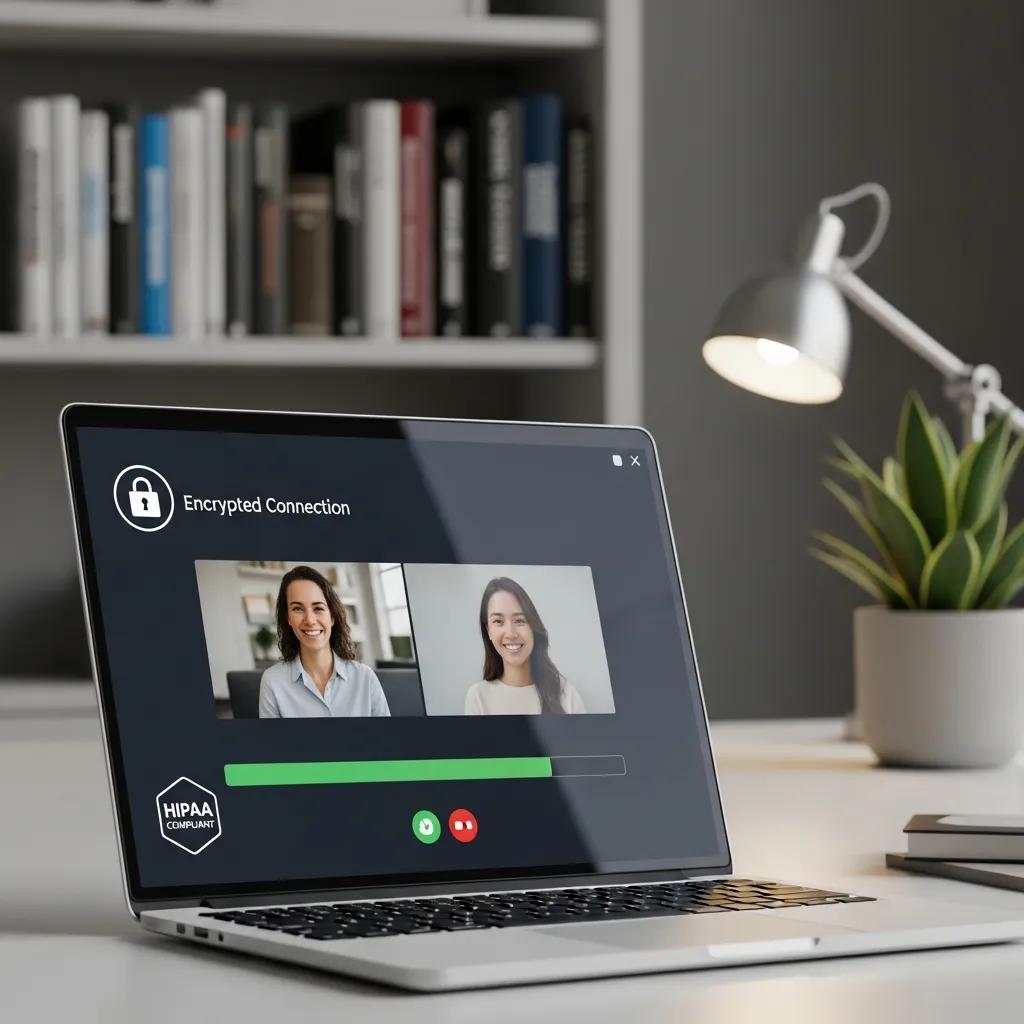
Platforms designed for teletherapy implement HIPAA-aligned controls to protect patient information. Secure video tools typically encrypt audio and video during transmission and restrict access to authorized users to reduce breach risk. The U.S. Department of Health and Human Services reports that HIPAA violations can result in fines ranging from $100 to $50,000 per violation, emphasizing the importance of compliance.
Confidential online therapy depends on platforms that are purpose-built to protect patient privacy and data security. A 2021 survey by the National Cyber Security Alliance found that 60% of healthcare providers experienced cyberattacks, highlighting the need for secure telehealth platforms.
Secure Platforms for Online Psychotherapy Privacy
For online psychotherapy, clinicians can use purpose-built platforms that implement measures to safeguard patient information and uphold privacy standards. A clinician's guide to cybersecurity and data protection: How to ensure client confidentiality?, M Bada, 2023
What Are the Key HIPAA Requirements for Secure Telehealth Therapy?
HIPAA sets standards to help protect client confidentiality and guide clinical practice for telehealth services. The HIPAA Privacy Rule and Security Rule together establish administrative, physical, and technical safeguards.
Use of HIPAA-Compliant Platforms: Therapists should use platforms with appropriate safeguards, including encryption and access controls.
Confidentiality and Privacy Measures: Practices must have policies that protect client data and ensure only authorized personnel have access it.
Secure Data Protocols: Communications and stored records must be protected through encryption and access controls to prevent unauthorized disclosure.
These basic requirements support legal, ethical, and professional obligations in teletherapy. According to the Office for Civil Rights, over 90% of healthcare providers have implemented these safeguards to comply with HIPAA.
How Does HIPAA Protect Client Confidentiality in Online Therapy?
HIPAA protects confidentiality through required safeguards: encryption for data in transit and at rest, documented policies, regular audits, and staff training to reduce human error. Together, these measures make telehealth a safer setting for clients to share sensitive information.
Stephen Rought Counseling (stephenrought.com) emphasizes consistent HIPAA compliance across its online services to preserve confidentiality throughout treatment.
Which Telehealth Privacy Laws Apply in California and Florida?
California and Florida supplement HIPAA with state-specific rules. California's Confidentiality of Medical Information Act (CMIA) adds protections for medical records, including stricter consent requirements. Florida's telehealth privacy laws require providers to implement reasonable security measures and notify patients of privacy practices. Awareness of both federal and state rules helps ensure compliance.
According to the California Department of Justice, violations of CMIA can result in civil penalties up to $5,000 per violation, reinforcing the importance of adherence.
How Do Encryption and Security Technologies Safeguard Online Therapy Sessions?

Encryption and layered security keep session data confidential. Measures like TLS for transport, AES for stored data, strong passwords, and two-factor authentication reduce the chance of interception or unauthorized access.
Advanced encryption methods are fundamental to protecting the sensitive information shared during online sessions. The National Institute of Standards and Technology (NIST) recommends AES-256 encryption as a standard for protecting sensitive healthcare data.
Encryption for Secure Online Therapy Data
For one online programme, Secure Shell (SSH) is used as a network security protocol to encrypt data sent from the sender's computer and decrypt it on the receiver's end.
Best practices in online therapy, B Klein, 2008
Common encryption methods used in telehealth include:
Encryption MethodDescriptionBenefitAES (Advanced Encryption Standard)A symmetric encryption algorithm is widely used for securing data.Strong protection for stored and transmitted data.TLS (Transport Layer Security)A protocol that ensures privacy between communicating applications.Protects data during internet transmission.RSA (Rivest-Shamir-Adleman)An asymmetric encryption algorithm used for secure data exchange.Secure key exchange and digital signatures.
Each method plays a role in protecting session content and related records.
What Practical Steps Can Clients Take to Maintain Privacy During Telehealth Sessions?
Clients can take simple actions to improve privacy:
Use of Secure Platforms: Book sessions on HIPAA-compliant services such as those offered by Stephen Rought Counseling.
Choosing a Private Location: Find a quiet, private room to avoid being overheard.
Testing Technology in Advance: Check devices and connections before sessions to limit disruptions.
These steps help create a safer environment for therapy. A 2020 survey by the Pew Research Center found that 78% of telehealth users who took such precautions reported feeling more secure during sessions.
How Can Clients Ensure Confidentiality When Using Teletherapy Platforms?
To reduce risk, choose reputable HIPAA-compliant platforms, connect via private networks rather than public Wi-Fi, and read the platform's privacy policy so you understand how data is handled.
Choosing Reputable Platforms: Prefer established, compliant services like those detailed on the Stephen Rought services page.
Using Secure Connections: Use home or mobile data networks over public Wi-Fi.
Understanding Confidentiality Policies: Know what data is stored, shared, and for how long by reviewing resources such as the Stephen Rought resources.
These precautions limit exposure of sensitive information. According to a 2021 report by the Healthcare Information and Management Systems Society (HIMSS), 65% of data breaches in healthcare were linked to insecure network connections.
What Are Best Practices for Secure Internet Use in Online Counseling?
Maintain secure online counseling by using compliant platforms, selecting services with clear privacy policies, and staying informed about security updates and practices.
Using HIPAA-Compliant Platforms: Confirm platform security features.
Transparent Privacy Policies: Look for clear, accessible policies.
Regular Education on Security Measures: Keep devices and knowledge up to date.
Following these practices strengthens session and record security. The National Cyber Security Alliance recommends regular training and updates to reduce human error, which accounts for over 90% of data breaches.
How Are Common Telehealth Privacy Concerns Addressed by Professionals?
Professionals address concerns by selecting secure platforms, documenting confidentiality policies, and explaining safeguards to clients. Therapists advise clients on practical privacy steps so both parties understand rights and responsibilities. A 2022 study in the Journal of Telemedicine and Telecare found that clear communication about privacy increased client trust by 40%. For more information, visit the Stephen Rought FAQs.
Can Telehealth Sessions Be Recorded and How Is Privacy Managed?
Recordings require explicit consent. If recordings are made, therapists should explain their purpose, secure storage, access controls, and retention policies so clients know who can view the files and why. The American Telemedicine Association recommends strict protocols to manage recorded data securely.
What Measures Does Stephen Rought Counseling Use to Ensure Telehealth Privacy?
Stephen Rought Counseling applies multiple measures to protect telehealth privacy, including HIPAA-aligned practices, written confidentiality policies, and transparent communication with clients.
HIPAA Compliance: Adherence to applicable regulations and safeguards.
Confidentiality Assurance: Policies to maintain client privacy throughout care.
Transparent Communication: Clear explanations of privacy practices to build trust.
These actions reflect the practice's commitment to secure, confidential online therapy. To get started with their services, visit the Getting Started page.
For those seeking support with addiction, therapy for addiction provides a confidential setting to address these issues.
To learn more about available care, consider exploring the range of services tailored to your needs, including financial therapy, individual therapy, parent coaching, family therapy, and specialized therapy for pilots and aviation professionals.
Read more about the practice and the team's approach to treatment.
Frequently Asked Questions
What should I do if I experience technical issues during a telehealth session?
Check your internet and device first. If issues persist, contact your therapist by phone or email; they may reschedule or offer an alternative. Testing equipment before sessions reduces interruptions. You can also find support on the contact page.
Are there specific privacy concerns for minors using telehealth services?
Minors often require parental or guardian consent and special handling of records. Clinicians should explain what information will be shared with guardians and follow laws protecting minors' privacy.
How can I verify if a teletherapy platform is HIPAA-compliant?
Review the platform's documentation and privacy policy for encryption and security details, and ask customer support for clarification. Reputable providers clearly explain how they protect data.
What are the potential consequences of using non-compliant telehealth platforms?
Non-compliant platforms increase the risk of data breaches and unauthorized access, which can have legal and professional consequences and damage trust. Choosing compliant services helps protect both clients and clinicians.
Can I switch therapists if I feel uncomfortable with the privacy measures in place?
Yes. Discuss concerns with your therapist first; if they are not resolved, you may seek another clinician who better meets your privacy expectations.
What role does informed consent play in telehealth privacy?
Informed consent explains how data is stored, shared, and secured, and clarifies confidentiality limits and mandatory disclosures. Clear consent helps clients make informed decisions about care.
How can I report a privacy violation in telehealth services?
Report concerns to your therapist or the platform's support team first. If unresolved or if a HIPAA breach likely occurred, you can file a complaint with the U.S. Department of Health and Human Services Office for Civil Rights. Keep records of incidents and communications.
