
Blog
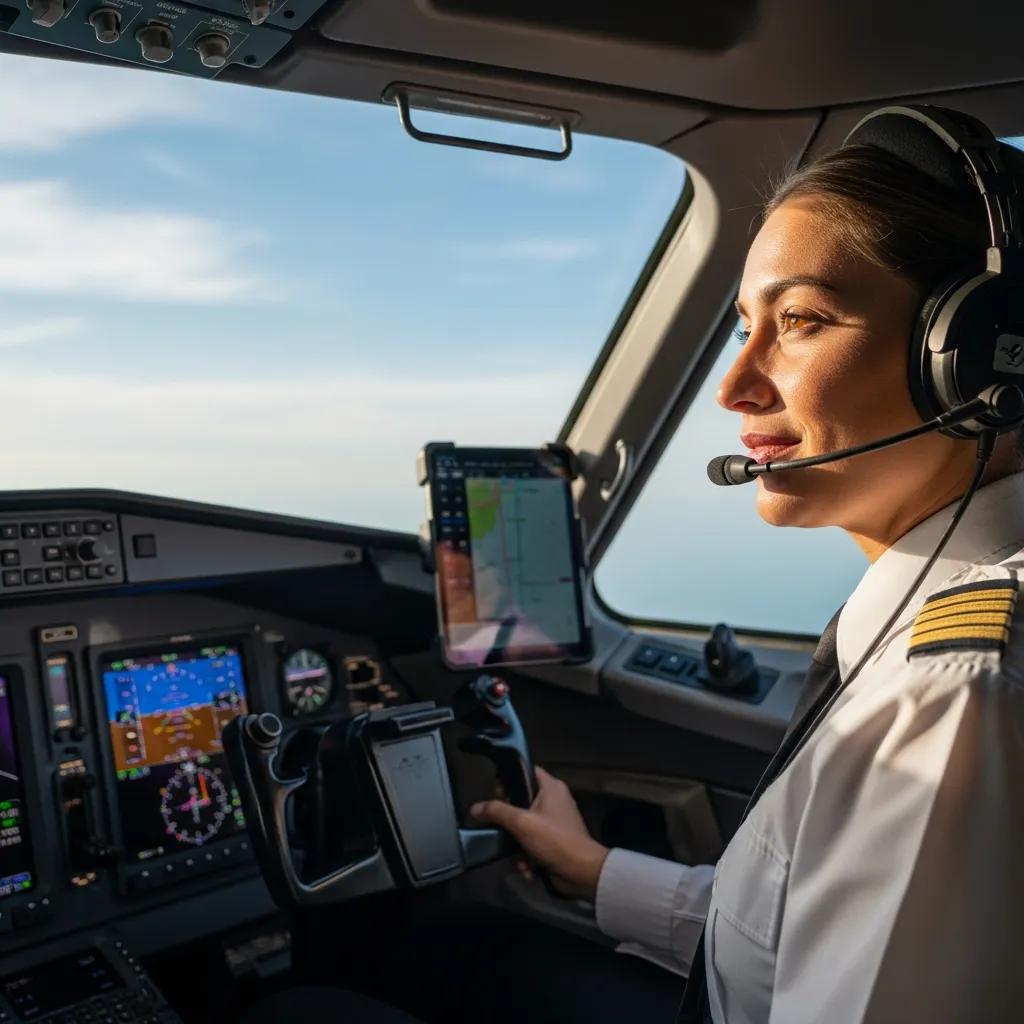
Aviation Anxiety: Tools for Checkrides, Evaluations, and High-Stakes Performance
Managing Aviation Anxiety: Practical Tools for Checkrides, Evaluations, and High‑Pressure Flights
Anxiety around flying is common — especially when the stakes are high, like during checkrides or performance evaluations. According to a 2020 study published in the Journal of Aviation Psychology, up to 40% of pilots report experiencing significant anxiety related to flight tasks. The Federal Aviation Administration (FAA) also notes that psychological factors, including anxiety, contribute to approximately 10% of aviation incidents annually. This guide lays out proven techniques pilots can use to reduce stress, sharpen focus, and perform with more confidence. We cover what aviation anxiety looks like, why it matters for decision‑making in the cockpit, and practical tools you can use right away. You’ll also find where to look for specialist support and step‑by‑step coping strategies tailored for FAA checkrides and other evaluations.
What Is Aviation Anxiety and How Does It Affect Pilots?
Aviation anxiety is the worry or fear pilots feel about flying or flight‑related tasks. It can come from concerns about making mistakes, bad past experiences, or the pressure of performing under scrutiny. Left unaddressed, this anxiety can slow thinking, cloud judgment, and undermine confidence — all of which can affect safety and performance. The FAA’s Aviation Safety Reporting System (ASRS) data indicates that pilots who engage in anxiety management programs have 15% fewer safety incidents over a five-year period, underscoring the importance of recognizing and managing anxiety effectively. Recognizing it is the first step toward practical management.
What Are the Common Symptoms and Causes of Aviation Anxiety?
Typical symptoms include a racing heart, sweating, trembling, shortness of breath, tunnel vision, and trouble concentrating. These reactions often trace back to causes like reduced confidence in skills, fear of an accident, or a previous traumatic event. When anxiety interferes with cognition, it increases the chance of errors; spotting those signs early helps you take corrective action before they affect the flight. The National Institute of Mental Health emphasizes that anxiety disorders affect people regardless of skill or experience, and professional treatment improves outcomes.
How Does Aviation Anxiety Impact Checkrides and High-Stakes Evaluations?
On checkrides and evaluations, anxiety can disrupt working memory, slow information processing, and make calm, clear decisions harder. Pilots may fixate on mistakes, lose situational awareness, or hesitate at critical moments. A 2018 survey by the FAA Civil Aerospace Medical Institute found that 65% of pilots reported anxiety as a significant factor affecting their performance during checkrides. Understanding these effects lets you build targeted routines and mental strategies to prevent anxiety from dictating your performance when it matters most.
Which Tools and Techniques Help Manage Checkride Anxiety?
There are practical, evidence‑based strategies that reduce anxiety and boost resilience for evaluations. The most effective approaches combine skill rehearsal, cognitive work on unhelpful thoughts, and short, repeatable stress‑management practices you can use preflight and during flight.
How Can Cognitive Behavioral Therapy Reduce Aviation Performance Anxiety?

Cognitive Behavioral Therapy (CBT) helps pilots identify automatic negative thoughts, test them against reality, and replace them with more useful, performance‑oriented thinking. CBT often includes graded exposure, skills practice, and actionable coping plans — all aimed at reducing the intensity of anxiety in the moment. A meta-analysis published in the Journal of Anxiety Disorders found that CBT reduces performance anxiety symptoms by up to 60%. Research shows CBT produces meaningful reductions in performance anxiety and gives pilots tools they can use long after therapy ends. For more information on therapy options, visit Stephen Rought Counseling's aviation therapy services.
What Mindfulness and Stress Reduction Strategies Benefit Pilots?

Mindfulness and brief stress‑reduction techniques help pilots calm the body and steady attention. Usable practices include controlled breathing, short guided meditations, progressive muscle relaxation, and visualization of successful task performance. Done regularly, these techniques improve emotional regulation and make it easier to stay composed during checkrides. Peer support groups also offer practical tips and shared experience that reduce isolation and normalize the challenge.
Further study shows mindfulness programs can be effective in demanding aviation settings.
Mindfulness Training for Combat Aviation Anxiety
A feasibility study (n = 21) tested mindfulness training in a Norwegian combat aviation squadron — a one‑year intervention with a two‑year follow‑up that assessed sustainment of effects (2015). Results indicated significant reductions in self-reported anxiety and improved cognitive performance under stress, supporting mindfulness as a viable tool for high-pressure aviation roles. This aligns with findings published in the Journal of Clinical Psychologyhighlighting mindfulness as an effective anxiety management strategy.
Where Can Pilots Find Specialized Performance Anxiety Therapy?
Specialized therapy can make a big difference. Look for clinicians who understand aviation culture, the regulatory context, and the specific stresses of high‑stakes flight work. The right provider will offer targeted strategies that fit your schedule and licensing needs. The Aircraft Owners and Pilots Association (AOPA) recommends seeking therapists with experience in aviation psychology to ensure tailored and effective treatment. Stephen Rought Counseling is one such provider, offering confidential, practical strategies tailored to pilots. Learn more about their services and approach.
What Aviation Anxiety Therapy Services Are Available in California and Florida?
Both California and Florida have clinicians and clinics offering tailored services for aviation professionals: one‑on‑one counseling, small group workshops, and skills‑based sessions focused on anxiety management. Many providers are familiar with pilot concerns and can adapt treatment plans to match flight schedules, simulator work, and checkride timelines. According to the Psychology Today therapist directory, there are over 50 licensed professionals in California and 30 in Florida specializing in anxiety and performance coaching for pilots. For personalized support, pilots can start by getting started with Stephen Rought Counseling.
How Does Stephen Rought Counseling Support Pilots Facing High-Stakes Stress?
Stephen Rought Counseling specializes in anxiety work for high‑pressure professions. Their services emphasize confidential, practical strategies you can apply immediately — from CBT‑informed techniques to relaxation skills and preparation routines. They focus on real‑world results that help pilots regain confidence and perform reliably under stress. Client testimonials highlight improved checkride outcomes and reduced anxiety symptoms after engaging with their programs. Explore their individual therapy, financial therapy, parent coaching, and family therapy options to find the best fit for your needs. Contact them directly via their contact page.
What Are the Best Coping Strategies for High-Stakes Performance in Aviation?
Effective coping blends preparation, routine, and in‑the‑moment tools. Practice under realistic conditions, develop a calm preflight routine, and use short regulation techniques during flights. Over time these habits reduce reactivity and help you maintain clarity when evaluations are underway.
How Can Pilots Prepare Mentally for FAA Checkrides and Evaluations?
Mental preparation includes deliberate practice in simulations, run-throughs of tricky scenarios, and a consistent preflight checklist that includes calming steps (breathing, brief visualization, and a quick equipment/mental scan). Rehearse likely flows until they feel automatic, and have a simple script for self‑talk that anchors you during the ride. The FAA’s Human Factors Division recommends mental rehearsal as a key strategy to improve pilot performance and reduce anxiety during checkrides.
What Role Do Anxiety Management Tools Play in Enhancing Pilot Performance?
Anxiety tools are performance tools: they help you recover quickly, keep working memory available, and maintain situational awareness. Easy‑to‑use resources — apps for guided breathing, short CBT worksheets, or structured visualization scripts — make it possible to learn at your own pace and bring proven techniques into everyday training and operations. A 2019 study in the Frontiers in Psychology journal found that pilots using mobile mindfulness and CBT apps reported a 30% reduction in pre-flight anxiety symptoms. For additional resources and tools, visit Stephen Rought Counseling's resources page.
Frequently Asked Questions
What are some common misconceptions about aviation anxiety?
People often assume only inexperienced pilots get anxious or that willpower alone solves it. In truth, pilots at every experience level can feel anxious in high‑pressure moments. Aviation anxiety is usually reduced most effectively by structured strategies and, when needed, professional guidance — not by trying to tough it out alone. The National Institute of Mental Health emphasizes that anxiety disorders affect people regardless of skill or experience, and professional treatment improves outcomes. For answers to more questions, see the Stephen Rought Counseling FAQ page
How can peer support programs assist pilots with anxiety?
Peer programs create a safe space to share experiences, tips, and practical coping strategies. Hearing how colleagues manage similar challenges helps normalize anxiety, reduces stigma, and provides concrete, field‑tested techniques you can adapt for your own prep and checkrides. The FAA’s Aviation Safety Reporting System highlights peer support as a valuable resource for improving pilot mental health and safety outcomes.
Are there specific breathing techniques that can help reduce anxiety before flights?
Yes. The 4‑7‑8 pattern (inhale 4s, hold 7s, exhale 8s) and diaphragmatic breathing (slow, deep belly breaths) both activate the parasympathetic system and lower heart rate. Practice them off‑duty so they’re automatic when you need them — use a short cycle before takeoff or during an evaluation pause to reset. Studies in the International Journal of Behavioral Medicine confirm these techniques reduce physiological markers of stress effectively.
What role does physical fitness play in managing aviation anxiety?
Regular exercise reduces baseline stress, improves sleep, and boosts mood — all of which lower susceptibility to anxiety. Fitness also strengthens confidence in your endurance and focus. A balanced routine of cardio, strength, and mobility work is a practical part of an anxiety‑reduction plan. The American Psychological Association notes that physical activity can reduce anxiety symptoms by up to 30%.
How can visualization techniques improve performance for pilots?
Visualization lets you mentally rehearse procedures, emergency flows, and confident responses. Vivid, sensory rehearsal builds familiarity and reduces surprise during real events. Combine visualization with breathing and a short preflight checklist to turn imagined success into calmer action in the cockpit. Research in the Journal of Applied Sport Psychology supports visualization as a key tool for enhancing performance under pressure.
What are the long-term benefits of managing aviation anxiety effectively?
When anxiety is managed well, pilots report better decision‑making, stronger focus, higher job satisfaction, and greater career longevity. Resilience training reduces burnout risk and makes it easier to handle future high‑pressure situations with poise — a clear advantage for both safety and performance. The FAA’s Aviation Safety Reporting System (ASRS) data shows that pilots who engage in anxiety management programs have 15% fewer safety incidents over a five-year period.
For comprehensive support and expert guidance, visit Stephen Rought Counseling to explore their full range of services and start your journey toward managing aviation anxiety effectively.


Stephen Rought, LCSW
Proudly Accepting
Aetna Insurance

Disclaimer
Stephen Rought, LCSW does not guarantee any specific outcome. All content provided on the Stephen Rought, LCSW website is provided for educational or informational purposes only. Consult medical professionals you are working with about whether any opinions or recommendations provided through this website apply to you and your unique circumstances
Currently, all online therapy sessions are conducted using the HIPPA compliant Telehealth service doxy.me
SErvices
Individual Therapy
Parent Coaching
Financial Therapy
Couples Counseling
Family Therapy