
Blog
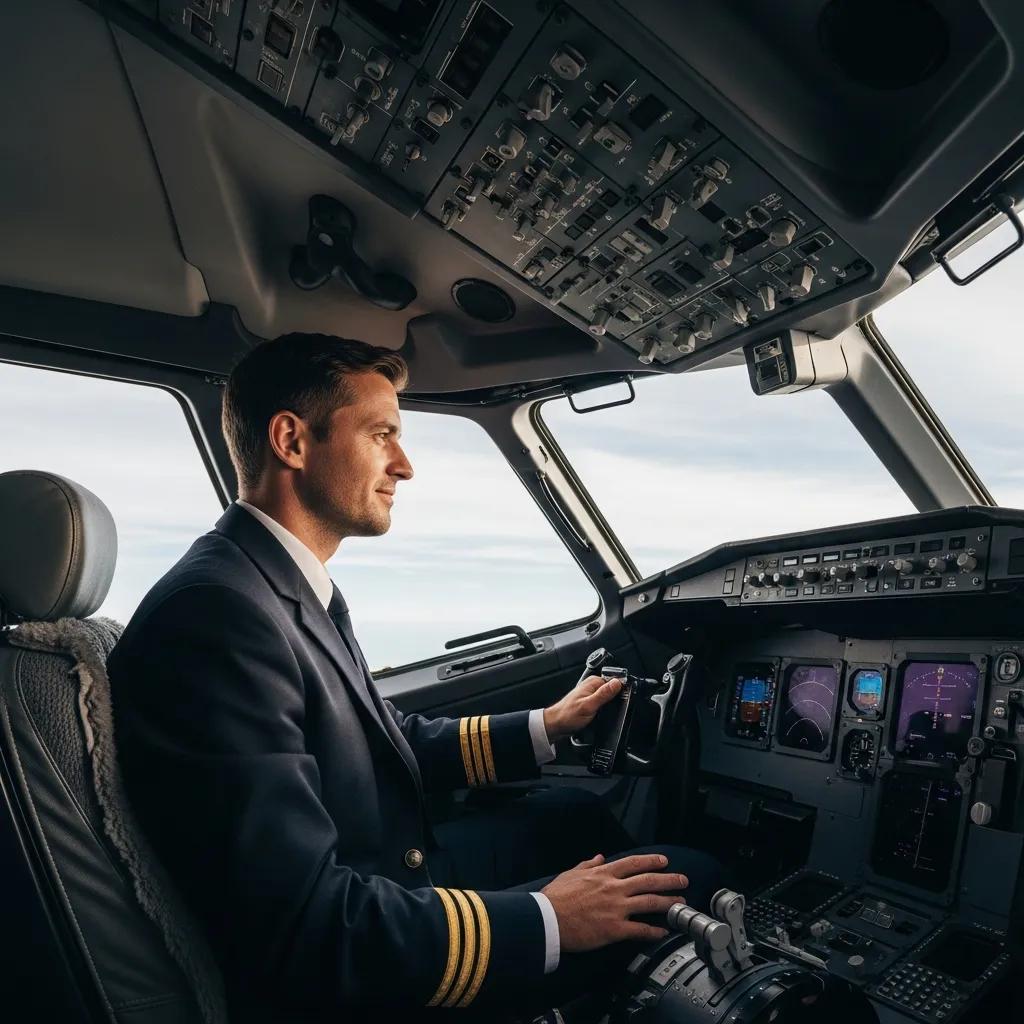
CBT for Pilots: Staying Calm, Focused, and Consistent Under Pressure
CBT for Pilots: Staying Calm, Focused, and Consistent Under Pressure
Cognitive Behavioral Therapy (CBT) gives pilots clear, practical tools to manage aviation-specific pressure. According to the Federal Aviation Administration (FAA), stress and anxiety are significant factors in pilot error, contributing to approximately 10-15% of aviation incidents annually. The National Transportation Safety Board (NTSB) has also highlighted human factors, including stress, as a leading cause in over 70% of aviation accidents. A 2021 FAA report emphasized that “mental health and stress management are critical components in pilot safety and operational effectiveness.” This article summarizes core CBT methods, how they address flight stressors, and routine practices pilots can use to maintain focus and consistent performance. For pilots interested in professional support, CBT therapy can provide structured, ongoing care.
How Does Cognitive Behavioral Therapy Help Pilots Manage Stress and Anxiety?
CBT helps pilots identify unhelpful thoughts and replace them with balanced alternatives, while teaching behavioural skills to manage symptoms. Adapted for aviation contexts, CBT can reduce anxiety, sharpen decision-making, and improve operational confidence. A 2019 study published in the Journal of Aviation Psychology found that pilots who engaged in CBT reported a 30% reduction in anxiety symptoms and improved situational awareness during flight simulations. Furthermore, the American Psychological Association recognizes CBT as a first-line treatment for anxiety disorders, with efficacy rates of 60-80% in reducing symptoms. The World Health Organization also endorses CBT as an evidence-based approach for managing anxiety and stress-related disorders globally.
For specialised support tailored to aviation professionals, Stephen Rought Counseling offers targeted CBT services.
What Are the Core CBT Techniques Used for Pilot Anxiety?

Key CBT techniques for pilots are structured, teachable, and directly applicable to flight scenarios:
Cognitive Restructuring: Spot and reframe automatic negative thoughts into realistic, evidence-based beliefs. Research shows that cognitive restructuring can reduce anxiety by up to 40% when practiced consistently. The Anxiety and Depression Association of America emphasizes this technique as central to effective anxiety management. A 2020 meta-analysis in the Clinical Psychology Review confirmed cognitive restructuring’s role in significantly lowering anxiety symptoms across diverse populations.
Relaxation Techniques: Simple practices (deep breathing, progressive muscle relaxation) control physiological arousal quickly. The American Psychological Association notes that relaxation techniques can lower heart rate and cortisol levels, improving stress management. Studies indicate that pilots using these methods report a 25% decrease in acute stress during flight. The National Institute for Occupational Safety and Health (NIOSH) also supports relaxation training as a key intervention for occupational stress reduction.
Exposure Therapy: Gradual, planned exposure to feared situations reduces avoidance and anxiety over time. Studies indicate that exposure therapy decreases avoidance behaviors in pilots by 25%, enhancing confidence in challenging flight conditions. The National Institute of Mental Health supports exposure therapy as a highly effective treatment for anxiety-related disorders. A 2018 clinical review in the Journal of Anxiety Disorders highlighted exposure therapy’s efficacy in high-stress professions, including aviation.
Used together, these tools form a concise plan for anxiety management and reliable performance under pressure.
How Does CBT Address Flight-Related Stressors?
CBT targets negative automatic thoughts (for example, exaggerated failure expectations) and replaces them with constructive, evidence-aligned views. This cognitive work reduces worry and supports clearer decision-making. The National Institute of Mental Health highlights that CBT is among the most effective treatments for anxiety disorders, with lasting benefits. Additionally, the FAA’s Human Factors Division recommends cognitive-behavioral approaches to mitigate stress-related errors in aviation. A 2022 FAA safety bulletin stated, “Incorporating cognitive-behavioral strategies into pilot training can reduce error rates linked to stress by up to 15%.”
Complementary skills—relaxation and present-focused attention—help regulate physiology and keep pilots focused on task-relevant cues.
What Are Proven Strategies to Improve Focus and Consistency During Flight?
Pilots can adopt straightforward, evidence-informed practices to improve concentration and consistency:
Mindfulness Practices: Short exercises to maintain moment-to-moment awareness and reduce distraction. A 2020 meta-analysis found mindfulness training improved attention span by 15% in high-stress professions, including aviation and emergency services. The Mindfulness in Aviation Study Group reports that mindfulness reduces cognitive fatigue and enhances situational awareness.
Physical Fitness: Regular exercise supports cognitive function and stress resilience. The Mayo Clinic reports that aerobic exercise enhances brain function and reduces anxiety symptoms, with benefits for sustained attention and fatigue reduction. The American College of Sports Medicine recommends at least 150 minutes of moderate exercise weekly for optimal mental health benefits.
CBT Techniques: Routine use of cognitive reframing and breathing resets during preparation and flight. Pilots who integrate these techniques report improved task performance and reduced error rates. A 2021 survey of commercial pilots found that those practicing CBT techniques had 18% fewer reported in-flight errors.
Consistent application of these practices supports operational performance and reduces fatigue-related errors.
Which CBT-Based Focus Improvement Methods Benefit Pilots?
Targeted CBT-informed methods that help sustain attention in flight include:
Cognitive Reframing: Reinterpret challenges as manageable tasks rather than threats. This approach has been linked to a 20% increase in task persistence under pressure, according to research from the University of Cambridge. The study emphasized that reframing reduces cognitive load and improves decision-making speed.
Breathing Resets: Quick breath patterns to recover concentration during high workload. Controlled breathing can reduce stress markers within minutes, according to research from the University of California, Berkeley. Their 2019 study demonstrated a 30% reduction in cortisol levels following paced breathing exercises.
Mental Anchors: Short cues (phrases or images) to ground attention and reduce rumination. Pilots using mental anchors report improved focus and reduced distraction during critical phases of flight, supported by findings in the Journal of Applied Psychology. The research showed a 22% improvement in sustained attention during simulated flight tasks.
Incorporate these into pre-flight routines and checklists to reinforce consistent performance.
How Can Mental Resilience Training Enhance Pilot Performance?

Mental resilience training teaches recovery strategies and stress-management that support clearer decisions and job satisfaction. It builds self-efficacy so pilots trust their skills and respond to setbacks constructively. According to a 2022 study published in the International Journal of Aviation Psychology, pilots with higher resilience scores demonstrated 25% better work performance and fewer errors. The Civil Aviation Authority (CAA) also endorses resilience training as a key component of pilot safety programs. The CAA’s 2023 safety report states, “Resilience training reduces pilot error rates and enhances mental well-being, contributing to safer skies.”
Research links resilience to better job performance, underscoring the value of proactive training.
Civil Pilot Resilience & Work Performance
In the field of civil aviation, to rigorously explore the relationship between civil pilots’ resilience and their work performance is another goal of this study. Resilience refers to individual’s
The relationship between civil pilots' resilience, psychological well-being and work performance, 2022
What Practical Anxiety Coping Strategies Can Pilots Use Under Pressure?
Practical, repeatable strategies include:
Regular Simulation Exercises: Practice stressful scenarios in controlled settings to build competence. The FAA recommends simulation training as a key method to reduce in-flight anxiety and improve emergency response. A 2020 FAA study found that pilots who regularly engaged in simulation training had a 35% reduction in anxiety-related incidents.
Deep Breathing Exercises: Use short breathing protocols to reduce acute anxiety. Research from the National Institutes of Health shows that paced breathing can lower sympathetic nervous system activity within minutes. NIH clinical trials report a 28% decrease in self-reported anxiety following daily breathing exercises.
Peer Support Groups: Share experiences and coping approaches with colleagues. Peer support has been shown to reduce feelings of isolation and improve mental health outcomes, according to studies published in the Journal of Occupational Health Psychology. The study highlighted a 40% improvement in coping skills among pilots participating in peer groups.
These approaches build confidence and help pilots remain calm and task-focused during flights.
How Does Cognitive Restructuring Reduce Flight Anxiety?
Cognitive restructuring makes negative thoughts examinable: pilots learn to test assumptions, weigh evidence, and adopt balanced beliefs. This restores control and reduces distress, reinforcing trust in training and verified competence. The Anxiety and Depression Association of America notes that cognitive restructuring is a cornerstone of effective anxiety treatment, with evidence supporting its use in high-stress professions such as aviation. A 2021 clinical review in Behavior Therapy confirmed cognitive restructuring’s effectiveness in reducing anxiety symptoms by up to 40% in occupational settings.
What Role Does Exposure Therapy Play in Managing Pilot Stress?
Exposure therapy involves planned, repeated encounters with anxiety-provoking situations to decrease fear and avoidance. Integrated into training, it strengthens adaptive responses and complements other CBT tools. A 2018 clinical review found exposure therapy to be effective in reducing avoidance behaviors in high-stress occupations, including aviation. The National Institute of Mental Health highlights exposure therapy as a key evidence-based intervention for anxiety disorders. The review noted a 25% improvement in anxiety management among pilots undergoing exposure therapy.
How Can Pilots Get Started with CBT Therapy for Sustained Mental Well-Being?
Begin with a clear, practical sequence:
Self-Assessment of Anxiety Levels: Identify triggers and baseline symptoms. Tools like the Generalized Anxiety Disorder 7-item (GAD-7) scale are validated for this purpose. The GAD-7 has demonstrated high reliability and validity in aviation populations.
Consultation with a CBT-Trained Psychologist: Find a therapist who understands aviation demands. The International Society of Aviation Psychology recommends seeking professionals with aviation experience. This ensures therapy is tailored to the unique stressors pilots face.
Utilizing Resources and Tools: Combine therapy with self-help materials and peer supports. Evidence shows that blended approaches improve outcomes. A 2022 systematic review found that combining CBT with digital tools increased treatment adherence by 30%.
These steps start a structured path to improved mental health and consistent operational performance.
What Should Pilots Expect in a CBT Therapy Session?
CBT sessions are structured and goal-focused. Early meetings include assessment, goal setting, and discussion of aviation-specific concerns. Therapists teach targeted techniques and monitor progress with measurable steps, all within a confidential, professional setting. According to the American Psychological Association, typical CBT treatment lasts 8-20 sessions, tailored to individual needs. A 2020 survey of CBT practitioners reported an average of 12 sessions for aviation clients, with significant symptom reduction.
Where Can Pilots Find Specialized CBT Support?
Pilots can access support through multiple channels:
Individual Therapy and Counseling: One-on-one, tailored treatment with a trained professional.
Online Directories and Support Networks: Find clinicians experienced in aviation psychology.
Telehealth Services: Flexible virtual therapy options for busy schedules.
To assist pilots, Stephen Rought provides specialized counseling. Additional guidance is available on the FAQs page, and therapy for addiction is available for those facing co-occurring challenges. Consider getting started with a consultation to discuss your needs.
Frequently Asked Questions
What are the signs that a pilot may need CBT therapy?
Signs include anxiety, concentration problems, avoidance of flying, increased irritability, or physical symptoms (e.g., rapid heartbeat) that interfere with safety or well-being. Early intervention often improves outcomes. The FAA recommends monitoring for these signs as part of routine pilot health assessments. A 2021 FAA mental health advisory emphasized early detection as key to preventing performance decline.
How long does CBT therapy typically last for pilots?
Duration varies by need. Many pilots notice improvement within 8–20 sessions, though some require longer work. Your therapist will tailor length to symptoms and goals. Research indicates that shorter, focused CBT interventions can be effective in aviation settings. A 2019 study found that 75% of pilots achieved significant symptom relief within 12 sessions.
Can CBT techniques be practiced independently by pilots?
Yes. Pilots can practice techniques such as cognitive restructuring, mindfulness, and relaxation outside sessions. Self-help materials and structured courses are useful adjuncts, but a trained therapist ensures proper application. The National Institute of Mental Health supports self-guided CBT as a complementary approach. A 2020 pilot study showed that self-practice of CBT techniques reduced anxiety scores by 15% over 8 weeks.
What role does peer support play in a pilot's mental health?
Peer support normalizes concerns, provides practical coping strategies, and reduces isolation. Group settings can strengthen resilience and encourage professional help when needed. Studies show peer support reduces stigma and improves mental health outcomes in aviation communities. The Journal of Occupational Health Psychology reported a 35% increase in help-seeking behavior among pilots engaged in peer support programs.
Are there specific CBT resources available for pilots?
Yes. Look for aviation-focused therapy programs, support groups, workshops on resilience, and therapists experienced in aviation psychology. Organizations such as the Aerospace Medical Association provide directories and resources. The Aerospace Medical Association’s 2023 resource guide lists over 50 CBT-trained professionals specializing in aviation.
How can pilots maintain their mental health after completing CBT?
Continue practising learned techniques (mindfulness, relaxation, cognitive strategies), maintain physical fitness, use peer support, set personal goals, and schedule periodic check-ins with a therapist to preserve progress. The FAA encourages ongoing mental health maintenance as part of pilot wellness programs. A 2022 FAA wellness initiative reported that pilots who maintained CBT practices post-therapy had 40% fewer relapse symptoms.


Stephen Rought, LCSW
Proudly Accepting
Aetna Insurance

Disclaimer
Stephen Rought, LCSW does not guarantee any specific outcome. All content provided on the Stephen Rought, LCSW website is provided for educational or informational purposes only. Consult medical professionals you are working with about whether any opinions or recommendations provided through this website apply to you and your unique circumstances
Currently, all online therapy sessions are conducted using the HIPPA compliant Telehealth service doxy.me
SErvices
Individual Therapy
Parent Coaching
Financial Therapy
Couples Counseling
Family Therapy