
Blog
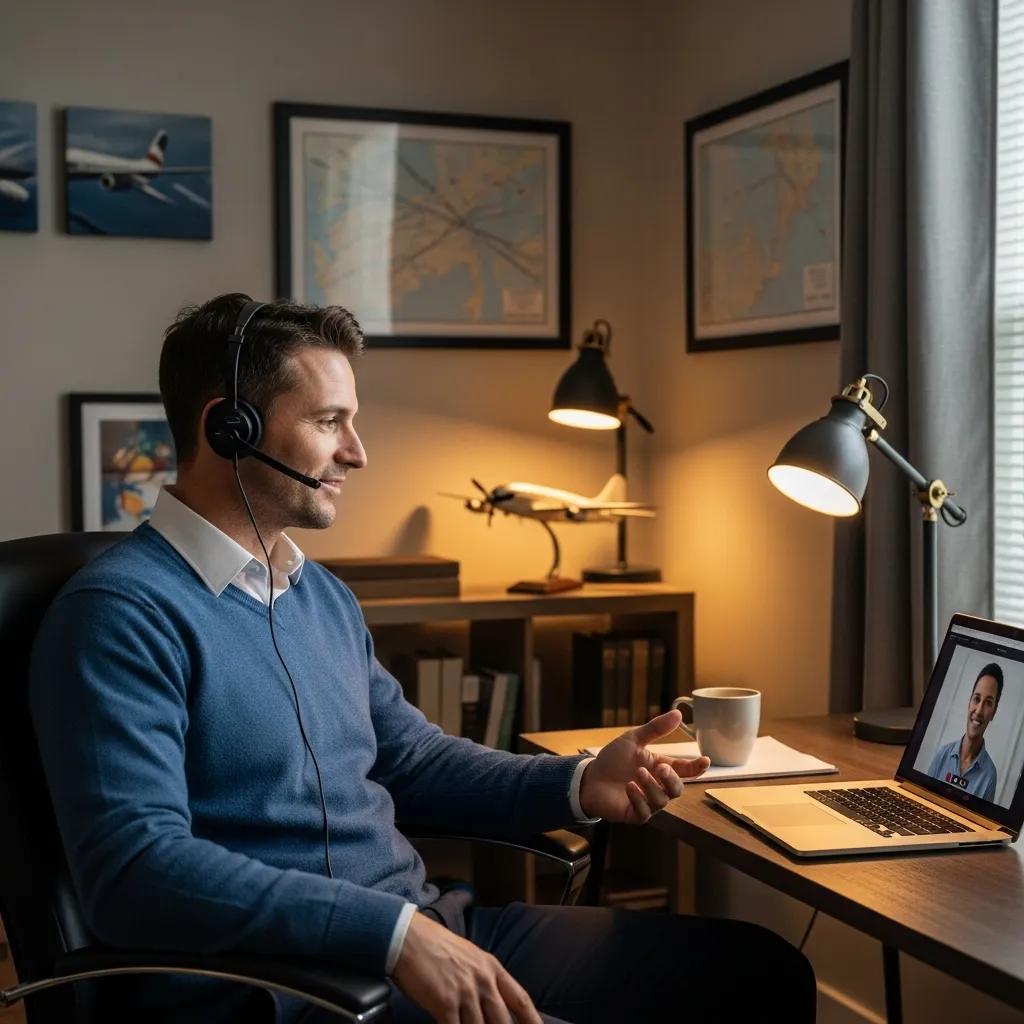
Pilot Counseling Online: Navigating Safety and Effectiveness
Is Online Therapy Safe and Effective for Pilots and Aviation Professionals? A practical look at confidential telehealth solutions
Yes. For pilots and other aviation professionals, online therapy can be a safe, effective option that fits the realities of the job. Telehealth gives pilots flexible, confidential access to licensed counselors without disrupting schedules or travel plans. Clinical trials and systematic reviews show telehealth can reduce stress and improve overall mental well-being in high-risk occupations, and modern platforms protect privacy with strong data security. For pilots worried about stigma or career consequences, those privacy safeguards make a real difference.
How safe is online therapy for pilots? Privacy, security, and HIPAA explained
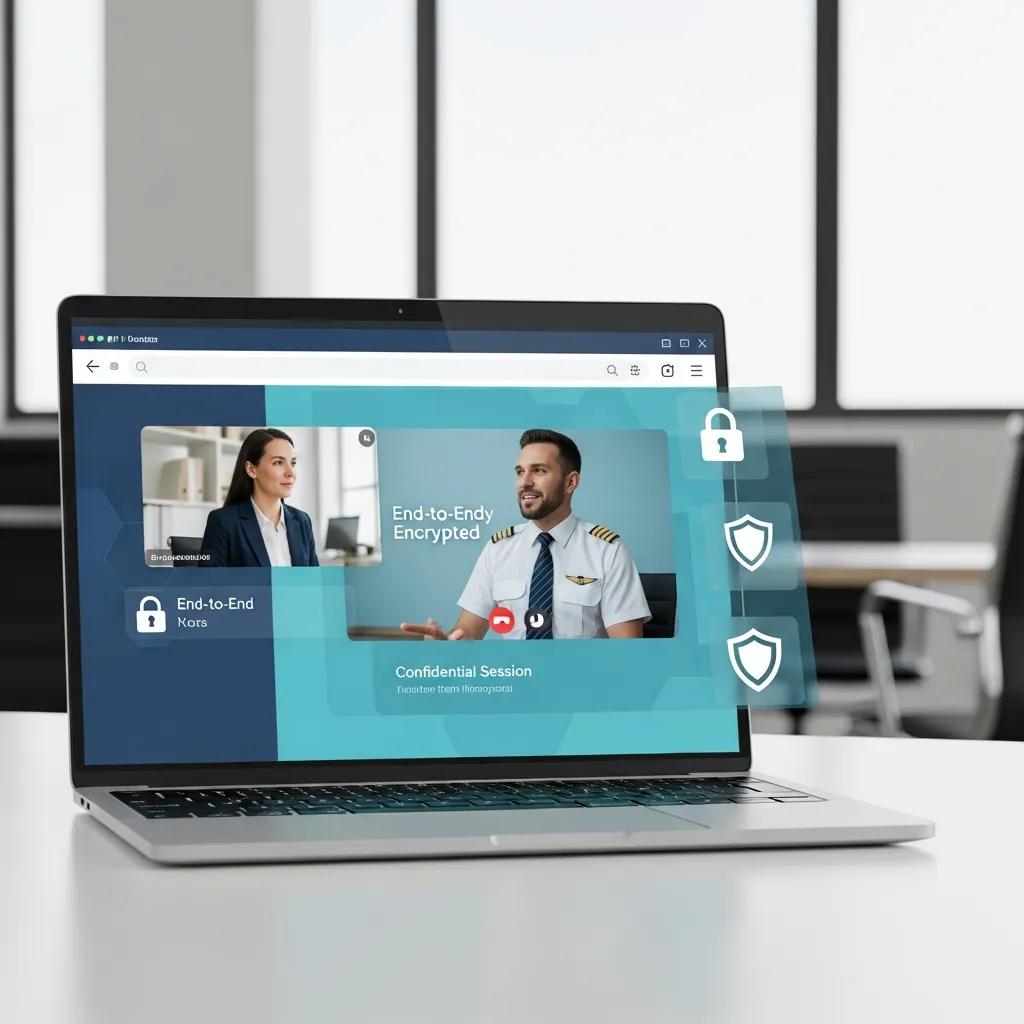
Safety for pilots using online therapy centers on confidentiality and compliant platforms. Reputable telehealth services use end-to-end encryption, secure data protocols, and other safeguards that keep sessions private. That protection matters: many pilots are understandably cautious about discussing mental health because of potential career implications. Secure video conferencing, password-protected accounts, and adherence to standards such as HIPAA help ensure personal health information stays private.
Research confirms that career concerns lead many pilots to avoid seeking mental health care, which is why confidentiality is so important.
Pilot mental health: career-impact fears and the value of confidential care
Hundreds of active pilots report depressive symptoms yet may avoid treatment because of worries about negative career consequences. In one anonymous web-based survey, 233 pilots (12.6%) met the threshold for depression.
Airplane pilot mental health and suicidal thoughts: a cross-sectional descriptive study via anonymous web-based survey, AC Wu, 2016
What measures protect pilot mental health privacy in telehealth?
Key protections used by reputable telehealth providers include:
Strong encryption and secure data handling: Platforms use technical safeguards to keep medical records and session data protected.
Clear confidentiality policies: Providers establish boundaries that let pilots speak openly while minimizing career risk.
Secure video tools and account protection: Passwords, multi-factor authentication, and vetted conferencing systems reduce unauthorized access.
Regulatory compliance: Following requirements like HIPAA in the U.S. creates legal and operational guardrails for privacy.
Confidential program options: Programs can be structured to reassure pilots that seeking help won’t automatically jeopardize certification.
Stigma reduction through privacy: Confidential care lowers barriers to help-seeking in high-performance fields.
Encouraging accurate disclosure: When pilots trust confidentiality, they’re more likely to share symptoms and history—critical for effective treatment.
Advanced Encryption and Data Protection Protocols
Beyond basic security, leading telehealth platforms employ advanced encryption standards, such as AES-256, for data at rest and in transit. This means that all communications, from video sessions to chat messages and stored notes, are scrambled and can only be decrypted by authorized parties. Regular security audits, penetration testing, and adherence to international data protection regulations (like GDPR, where applicable) further reinforce these safeguards, ensuring a robust defense against unauthorized access or data breaches. Many platforms also pursue certifications like SOC 2 or ISO 27001 to demonstrate their commitment to robust security practices.
The Importance of Provider Licensing and Ethical Standards
The safety of online therapy also hinges on the qualifications and ethical conduct of the therapist. Licensed mental health professionals are bound by strict ethical codes that mandate confidentiality, informed consent, and professional boundaries. These codes, often overseen by state or national licensing boards, ensure principles like beneficence (doing good), non-maleficence (doing no harm), and fidelity (maintaining trust) are upheld. When choosing an online therapist, verifying their licensure and understanding their professional ethics provides an additional layer of security and trust. Reputable platforms typically vet their providers thoroughly, ensuring they meet these high standards.
How does HIPAA compliance support confidentiality for aviation professionals?
HIPAA sets nationwide privacy and security standards for handling protected health information. When a telehealth provider follows HIPAA and similar regulations, pilots can expect defined limits on who can access their records, clear rules for disclosure, and technical safeguards for data. That regulatory framework builds trust, making it easier for pilots to seek care knowing their information will be handled according to strict privacy rules.
Legal Protections and Pilot Rights
HIPAA not only sets standards for providers but also grants specific rights to patients, including the right to access their medical records, request amendments, and receive a notice of privacy practices. For pilots, understanding these rights is crucial. This includes the right to request restrictions on certain disclosures and to receive an accounting of disclosures made. It empowers them to have more control over their health information and provides a legal recourse if their privacy is breached. This legal framework reinforces the confidentiality promised by online therapy platforms, offering peace of mind.
Is online therapy effective for managing pilot stress, anxiety, and burnout?
Yes. Evidence from randomized trials and reviews shows telehealth can meaningfully reduce stress, anxiety, and depressive symptoms—outcomes that translate well to pilots and other high-stress professionals. The combination of flexible scheduling, confidential access, and clinically informed therapies makes telehealth a practical way for pilots to get consistent support and manage acute stress when it arises.
The Science Behind Telehealth Efficacy for High-Stress Professions
Numerous studies have demonstrated the efficacy of telehealth across various mental health conditions, with particular relevance for high-stress occupations like aviation. Research indicates that the therapeutic alliance—the bond between client and therapist—can be just as strong in a virtual setting as in-person. This strong alliance, combined with evidence-based interventions delivered through secure platforms, contributes to significant improvements in symptoms of anxiety, depression, and stress, directly addressing the mental health challenges faced by pilots. Longitudinal studies and meta-analyses consistently support these findings, showing comparable outcomes to traditional therapy.
What evidence supports telehealth efficacy for pilots' mental health?
Research and practical findings include:
Faster access to care: Telehealth reduces wait times and makes it easier to get help during urgent or high-stress periods.
Therapeutic fidelity: Modern video platforms support a therapeutic atmosphere comparable to in-person sessions.
Clinical outcomes: Studies report improvements in stress management and emotional regulation within weeks; some peer-reviewed work finds telehealth as effective as face-to-face therapy for anxiety and depression.
Scheduling flexibility: Telehealth fits layovers, time-zone shifts, and irregular duty hours—though therapy during flight operations is not feasible or appropriate.
App and adjunct tools: Mobile apps and digital tools can support self-management, though precise pilot-specific effect sizes need further study.
CBT availability: Digital CBT modules help pilots identify and change unhelpful thinking patterns that fuel anxiety and stress.
Integrating Telehealth with Traditional Wellness Strategies
Online therapy isn't a standalone solution but often works best when integrated into a broader wellness strategy. For pilots, this might include combining regular therapy sessions with physical exercise, healthy nutrition, adequate sleep hygiene, and mindfulness practices. Telehealth can serve as a central pillar, providing consistent professional support that complements and enhances other self-care efforts, leading to more holistic and sustainable mental well-being. This integrated approach fosters a comprehensive support system for overall health.
How do CBT and EMDR therapies benefit aviation professionals online?

Cognitive Behavioral Therapy (CBT) gives pilots practical tools to reframe unhelpful thoughts, reduce anxiety, and build coping routines—useful for pre-flight nerves, burnout, and mood symptoms. EMDR (Eye Movement Desensitization and Reprocessing) can help pilots process traumatic events and lessen their emotional hold, restoring confidence and focus. Delivered via secure telehealth platforms, both approaches can be adapted to a pilot’s schedule while keeping care private and consistent.
Other Therapeutic Approaches Available Online
Beyond CBT and EMDR, online therapy platforms offer a wide range of evidence-based modalities. These can include Dialectical Behavior Therapy (DBT) for emotional regulation, Acceptance and Commitment Therapy (ACT) for psychological flexibility, and psychodynamic therapy for deeper self-understanding. Solution-Focused Brief Therapy (SFBT) is another effective option, focusing on present strengths and future goals rather than past problems. The diversity of approaches ensures that pilots can find a therapeutic style that best suits their individual needs and preferences, maximizing the potential for effective treatment and personal growth, including specialized options like financial therapy or parent coaching.
Long-Term Mental Wellness and Resilience Building
Online therapy is not just for crisis intervention; it's a powerful tool for long-term mental wellness and building resilience. Regular sessions can help pilots develop robust coping mechanisms, improve emotional intelligence, and foster a proactive approach to mental health. This ongoing support can prevent burnout, mitigate the impact of chronic stress, and enhance overall psychological fortitude, which is invaluable in a demanding career like aviation. It also cultivates self-compassion and advanced emotional regulation skills.
How do FAA mental health guidelines affect online therapy for pilots?
Pilots must always be aware of their professional obligations and the specific regulations governing their medical certification. While online therapy offers a confidential space for support, understanding how mental health care intersects with aviation authority guidelines is paramount.
The sources used for this article don’t include detailed FAA guidance, so we can’t summarize FAA policy here. Pilots seeking specifics about certification, reporting, or medical standards should consult FAA resources or an aviation medical examiner for authoritative guidance.
What are FAA reporting requirements related to pilot mental health?
The context for this piece does not list FAA reporting rules. For questions about mandatory disclosures, documentation, or medical certification, consult official FAA publications or an aviation medical examiner who can provide up-to-date, job-specific advice.
Consulting an Aviation Medical Examiner (AME) Proactively
While online therapy offers confidentiality, pilots must always prioritize their professional obligations. It is highly recommended that pilots consult with an Aviation Medical Examiner (AME) early in their mental health journey, especially if they have concerns about how therapy or a diagnosis might impact their medical certification. An AME can provide personalized guidance based on the pilot's specific situation and current FAA regulations, helping to navigate the process responsibly and proactively. An AME can serve as a crucial advocate and resource, helping pilots understand the nuances of their situation.
Understanding the Difference Between Therapy and Reporting
It's crucial for pilots to understand that seeking mental health therapy is distinct from mandatory reporting to the FAA. A therapist's primary role is to provide confidential care. While there are legal and ethical limits to confidentiality (e.g., immediate danger to self or others), simply engaging in therapy for stress, anxiety, or other common issues does not automatically trigger a reporting requirement to the FAA. The focus of therapy is on healing and well-being, and a qualified therapist will work with the pilot to understand and respect their professional context, upholding their ethical duty to protect privacy unless a clear and present danger exists.
How does online therapy navigate FAA regulations to protect pilots' careers?
While FAA rules vary by jurisdiction and circumstance, online therapy can protect pilots by maintaining strict confidentiality and using compliant platforms. Choosing a provider that understands aviation medicine, HIPAA, and reporting obligations helps pilots get care while minimizing unnecessary disclosure. When safety issues require disclosure, clinicians follow legal and ethical rules—otherwise, the default is to protect patient privacy. Therapists can also provide documentation, *at the pilot's request*, that is carefully worded to support their case to an AME without revealing unnecessary clinical details.
Addressing Common Misconceptions About Online Therapy for Pilots
Many pilots harbor understandable concerns or misconceptions about online therapy that can prevent them from seeking necessary support. Addressing these directly can help demystify the process and encourage engagement.
Myth: Online Therapy is Less Personal or Effective
A common misconception is that virtual interactions lack the personal touch or effectiveness of in-person sessions. However, research consistently shows that online therapy can be just as effective as traditional face-to-face therapy for a wide range of conditions, including anxiety and depression. The therapeutic relationship, which is key to successful outcomes, can be built effectively through secure video platforms, allowing for genuine connection and empathy. In fact, the convenience of online therapy often leads to greater consistency in attendance, which can further enhance its effectiveness.
Myth: Seeking Therapy Will Automatically Jeopardize My Career
This fear is a significant barrier for many aviation professionals. While the aviation industry has strict medical standards, seeking mental health support does not automatically lead to career consequences. Reputable online therapy platforms and clinicians prioritize confidentiality. The goal is to address mental health proactively, which can ultimately enhance a pilot's fitness for duty and career longevity, rather than hinder it. Open communication with an AME, when appropriate, is key to navigating this responsibly, as proactive engagement with mental health can often be viewed favorably by regulators when managed correctly.
What are the benefits of telehealth for aviation professionals' mental wellness?
Telehealth offers several clear advantages for pilots and aviation staff:
Quicker access to care: Shorter waits and easier scheduling reduce barriers to starting treatment.
Effective therapy delivery: Video and secure messaging preserve treatment quality.
Improved stress management: Studies show measurable gains in emotional regulation within weeks for many patients.
Greater scheduling freedom: Consultations can fit layovers and odd hours, not in-flight periods.
Comparable effectiveness: Research often finds telehealth outcomes similar to in-person care for common disorders.
App integration: Mobile tools extend support between sessions with guided practices and tracking.
Convenience: Access during downtime or travel makes regular care more realistic.
CBT and digital tools: Many platforms include structured CBT exercises to reinforce therapeutic gains.
Reduced travel time and costs: Eliminates commutes to appointments, saving valuable time and money.
How does online therapy offer flexibility for pilots' unpredictable schedules?
Online therapy lets pilots schedule sessions around duty periods, layovers, and time-zone shifts. Sessions can be taken from hotels, quiet crew lounges, or home, using a phone, tablet, or laptop. That flexibility helps pilots keep consistent appointments without disrupting training or flight duties.
Why is confidential pilot counseling online essential for aviation careers?
Confidential counseling gives pilots a safe path to address stress, depression, trauma, or substance issues without automatically triggering career consequences. Because aviation work is high-stakes and stigma persists, having private, accessible care encourages early help-seeking—improving individual wellbeing and overall flight safety.
The Broader Impact: Promoting a Culture of Mental Wellness in Aviation
Beyond individual benefits, the availability and acceptance of online therapy contribute to a larger shift towards a more supportive and mentally healthy aviation industry. This cultural change is vital for the long-term well-being of all aviation professionals.
Employer Support and EAP Programs
Many airlines and aviation companies are increasingly recognizing the importance of mental health support. Employee Assistance Programs (EAPs) often include telehealth options, providing pilots with confidential access to counseling services. These programs can be a valuable first step for pilots seeking support, offering a pathway to care that is often covered by their employer and designed to be discreet. EAPs frequently offer a limited number of free sessions, making initial access to care even easier.
Peer Support Networks and Community Resources
While online therapy provides professional, confidential care, peer support networks and community resources also play a crucial role in mental wellness. Connecting with other pilots who understand the unique stressors of the profession can reduce feelings of isolation and provide valuable informal support. Many aviation organizations are developing or promoting such networks, creating a more comprehensive ecosystem of mental health support. These networks foster a sense of community and shared experience, which can be incredibly validating.
How can pilots get started with confidential online therapy?
To begin confidential online therapy, pilots can follow a few practical steps:
Find a qualified provider: Choose a platform or clinician experienced with aviation-related issues and committed to privacy.
Book an initial consultation: Use the first session to share goals, discuss scheduling, and confirm confidentiality practices.
Verify privacy and logistics: Confirm the platform’s data protections, session formats, and any documentation requirements.
What is the process for scheduling and attending online therapy sessions?
Start with an intake or initial consultation to outline needs and set frequency—weekly, biweekly, or as recommended. Sessions should run on a HIPAA-compliant telehealth platform (doxy.me is one example, among others). Preparing ahead—clarifying goals and noting recent stressors—helps make each session productive. It's also important to ensure you have a quiet, private space with a stable internet connection for your sessions.How do insurance and fees work for telehealth services for pilots?
Coverage for telehealth varies by plan and provider. Many insurance plans include telehealth benefits, but details differ widely—so check your policy. Some providers offer sliding-scale fees, payment plans, or private-pay options to improve access. Confirm coverage, copays, and any preauthorization requirements before committing. If your provider is out-of-network, they may be able to provide a "superbill" for you to submit to your insurance for potential reimbursement.
Beyond stress and anxiety, issues like addiction can also affect aviation professionals. Comprehensive care that addresses a range of concerns supports long-term wellbeing and career longevity—so specialized therapy for addiction may be a crucial part of care for some pilots.
Frequently Asked Questions
What types of mental health issues can online therapy address for pilots?
Online therapy can help with anxiety, depression, stress management, burnout, flight-related fears, and trauma-related symptoms. It also supports work-life balance, sleep issues, coping strategies tailored to aviation work, grief, relationship challenges, and adjustment disorders.
How can pilots ensure they choose a qualified online therapist?
Look for licensed therapists with experience or training in high-stress professions, check credentials and reviews, and ask about familiarity with aviation-specific concerns and confidentiality practices. Confirm the platform’s privacy and security standards before starting. Many therapists offer a brief introductory call to help you assess if they are a good fit.
Are there specific online therapy platforms recommended for pilots?
Rather than one “best” platform, pilots should choose services that prioritize confidentiality, HIPAA compliance, and clinicians who understand aviation culture. Comparing options and asking targeted questions during an initial consult will help identify the best fit. Focus on platforms known for their robust security features and a diverse roster of licensed professionals.
What role do mobile apps play in supporting pilots' mental health?
Mobile apps can provide on-the-go support—guided meditations, mood tracking, and CBT exercises—that complement regular therapy. They’re useful between sessions for skills practice and monitoring, but work best alongside professional care. Some apps also offer biofeedback exercises or mindfulness prompts to help manage acute stress.
How can pilots maintain their mental health while on the job?
Practical steps include brief mindfulness or breathing routines, regular exercise during layovers, structured sleep hygiene, and keeping scheduled therapy or check-ins. Small, consistent practices help manage acute stress and sustain resilience. Maintaining social connections and engaging in hobbies during downtime are also crucial for overall well-being.
What should pilots do if they experience a mental health crisis?
Seek immediate help: contact a mental health professional, emergency services, or a crisis hotline. Many telehealth providers can connect patients to urgent care resources. Prioritizing immediate safety and support is essential. It's advisable to have a personal crisis plan in place, including emergency contacts and local resources.
What if a pilot needs medication in conjunction with online therapy?
Online therapists typically cannot prescribe medication. If medication is deemed necessary, your online therapist can collaborate with a psychiatrist or medical doctor who can conduct an assessment and prescribe if appropriate. This integrated approach ensures comprehensive care, often referred to as a "collaborative care model."
How do I handle technical issues during an online therapy session?
Reputable telehealth platforms are designed for stability, but occasional technical glitches can occur. Most platforms have technical support available. It's also wise to have a backup plan, such as a phone number for your therapist, in case video connection is lost, allowing the session to continue via audio. Always test your internet connection and equipment before a session to minimize disruptions.
For more information on mental wellness and professional support, visit Stephen Rought's homepage. Ready to take the next step? Contact us today.


Stephen Rought, LCSW
Proudly Accepting
Aetna Insurance

Disclaimer
Stephen Rought, LCSW does not guarantee any specific outcome. All content provided on the Stephen Rought, LCSW website is provided for educational or informational purposes only. Consult medical professionals you are working with about whether any opinions or recommendations provided through this website apply to you and your unique circumstances
Currently, all online therapy sessions are conducted using the HIPPA compliant Telehealth service doxy.me
SErvices
Individual Therapy
Parent Coaching
Financial Therapy
Couples Counseling
Family Therapy