
Blog
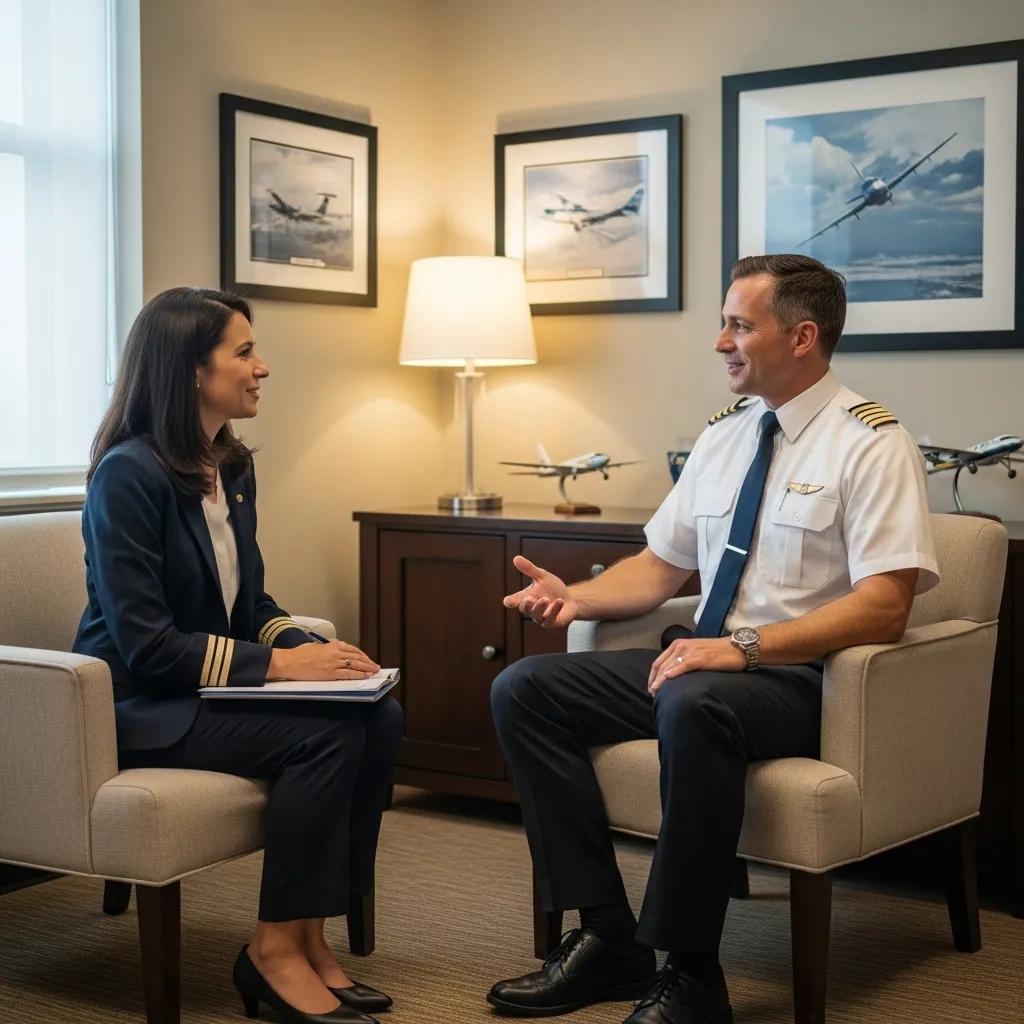
Understanding Pilot Therapy: Essential Mental Health Support
Pilot Therapy: Confidential Mental Health Care for Pilots — Protect Your Career
Pilot therapy means mental health care shaped around the realities of flying: irregular schedules, high-stakes decisions, and the career risks that come with disclosure. This guide explains how therapy designed for aviators addresses operational stress, navigates FAA-related concerns, and supports family functioning — while prioritizing confidentiality and minimizing certification impact. You’ll find clear, FAA-aware strategies to get help safely, an overview of occupational risk factors, how medical rules intersect with clinical care, confidentiality-preserving options (telehealth and diagnosis‑light approaches), and targeted techniques such as CBT adapted for pilots. The piece delivers practical steps, comparison charts, and simple exercises you can use right away, grounded in research and aviation practice as of 06/2024. Terms like mental health support for pilots, therapy for pilots, and confidential counseling for aviators appear throughout to help pilots and families make informed, career-protective choices about accessing care.
What Are the Unique Mental Health Challenges Faced by Pilots?
Pilots routinely face work conditions that raise the risk of anxiety, depression, burnout, and performance-related distress. Irregular duty times, sustained vigilance, and the need for rapid, high-consequence decisions create a stew of physiological and psychological strain. Fatigue and circadian disruption undermine attention and mood regulation, while perfectionism and role pressure fuel rumination and performance anxiety. Added to that, stigma and the fear of career fallout make many pilots delay seeking help, so subclinical problems can worsen before care begins. Framing treatment around functional recovery, risk reduction, and certification preservation — rather than labeling normal stress reactions — helps clinicians and pilots work together effectively.
Pilots often experience a cluster of overlapping stressors that build up over time and call for focused support.
Operational Fatigue: Irregular duty windows and circadian disruption reduce alertness and slow reactions.
Performance Pressure: High-stakes responsibility increases anticipatory anxiety and catastrophic thinking.
Stigma and Job Risk: Concerns about reporting or grounding discourage timely help-seeking.
Relationship Strain: Time away and schedule unpredictability can erode partner and family connections.
These interacting stress domains point to interventions that lower symptoms while preserving fitness‑for‑duty — a practical starting point for understanding how aviation stress harms well‑being and performance.
How Does Aviation Stress Impact Pilot Well-being and Performance?

Aviation-related stress reduces sleep quality, raises physiological arousal, and impairs the executive functions pilots rely on during flight. Chronic circadian misalignment interferes with hormonal balance and memory consolidation, increasing the chance of cognitive lapses under high workload. Emotional signs like irritability, avoidance, and catastrophic anticipation can weaken crew communication and decision‑making, creating safety risk. Spotting early warning signs — persistent sleep problems, falling concentration, mood shifts, or avoidance of flight tasks — allows for timely intervention that protects both health and career.
These performance consequences point to specific symptom-management strategies and set the stage for how FAA rules affect care-seeking.
How Do FAA Mental Health Regulations Affect Pilots Seeking Therapy?
The FAA’s guidance aims to keep airmen safe to fly while supporting access to appropriate care; reporting responsibilities generally focus on conditions that impair judgment, consciousness, or risk sudden incapacitation. Routine outpatient therapy for mood or anxiety typically does not automatically trigger FAA reporting, but hospitalizations, certain diagnoses, or medications that affect cognition may require AME involvement.
Pilots can reduce career risk by taking concrete steps: consult an Aviation Medical Examiner (AME) for clarification, choose skills‑focused therapy that minimizes diagnostic labeling when clinically appropriate, and work with clinicians who document functional improvement rather than emphasizing pathology. Knowing these distinctions helps balance clinical benefit with certification security.
Below is a short comparison of scenarios that commonly draw FAA attention versus routine therapeutic care, and what each means for certification.
Clinical ScenarioFAA Reporting/Certification ImpactPractical implicationHospitalization for psychiatric riskOften reportable; AME evaluation likelyCoordinate early with an AME and provide a clear clinical summaryRoutine outpatient therapy for anxiety/depressionUsually not automatically reportable if there is no impairmentSkills-focused care and functional notes can protect confidentiality and performanceUse of sedating medicationsPotentially reportable because of cognitive side effectsDiscuss alternatives with your clinician and AME before startingSafety‑critical cognitive impairmentReportable; may lead to temporary groundingPrioritize assessment, remediation, and AME-directed monitoring
In many cases, therapy can proceed without certification consequences when clinicians and pilots emphasize function and keep AMEs informed — which leads into the FAA Fast Track Pathway described next.
What Is the FAA Fast Track Pathway for Mental Health Support?
The FAA Fast Track Pathway is an expedited process that helps pilots return to flying after certain mental health evaluations and outpatient treatments by using structured documentation, monitoring, and AME collaboration. It’s intended for non‑severe, well‑documented outpatient cases where short‑term treatment can demonstrate stability and fitness for duty.
Core elements are a focused clinical assessment of operational capacity, follow‑up reports showing progress, and clear communication between the treating clinician and the AME. Eligibility depends on the clinical picture; pilots benefit from clinicians who know aviation standards and can prepare concise, function‑oriented summaries for the AME.
A straightforward three‑step approach makes the Fast Track pathway easier to follow while limiting career disruption:
Assess Function: Get an aviation‑focused evaluation that highlights operational capacities and safety‑relevant symptoms.
Document Progress: Keep brief, functional progress notes showing skill gains and absence of impairment.
Coordinate with AME: Share focused summaries with an AME to align readiness and monitoring plans.
When clinicians use this approach, unnecessary grounding is less likely and pilots can return to duty safely and sooner — which brings us to confidential care options.
What Confidential Therapy Options Are Available for Pilots?

Confidential options include in‑person outpatient therapy, secure telehealth, skills‑focused or diagnosis‑light counseling, and peer support programs. Each option differs in how records are kept, what privacy protections exist, and the potential impact on FAA medical status.
Telehealth platforms can offer strong technical safeguards when they’re HIPAA‑compliant and use encrypted portals. Diagnosis‑light approaches prioritize practical skills and avoid unnecessary diagnostic labels, reducing the amount of documentation that might be misread by non‑clinical reviewers. Group and peer supports lower isolation but have different confidentiality trade‑offs. Reviewing these differences helps pilots pick care that matches both clinical needs and career priorities.
Compare common therapy formats, their documentation patterns, and what they mean for pilots.
ModalityDocumentation PracticesPractical implicationIn‑person individual therapyDetailed clinical notes; diagnostic codes may appearBest for deeper work — discuss documentation preferences up frontSecure telehealthEncrypted sessions and protected records; HIPAA safeguardsGood for access and privacy — confirm platform security with your clinicianGroup/peer supportInformal confidentiality norms; less formal clinical documentationUseful for connection; may involve fewer reporting requirementsDiagnosis‑free skills coachingFocus on techniques with minimal diagnostic labelingPreserves career discretion while delivering practical skills
Knowing these differences helps pilots ask the right questions about privacy, records, and treatment style when choosing a provider.
How Does Online Therapy Ensure Confidentiality for Pilots?
Online therapy protects privacy by using encrypted platforms, secure patient portals for intake and records, clear clinician confidentiality policies, and HIPAA‑aligned recordkeeping. These technical and policy safeguards reduce the risk that sensitive information will be exposed.
Clinicians can further protect pilots by framing treatment around functional goals, limiting diagnostic labels when clinically appropriate, and documenting progress in terms of operational ability rather than symptom lists. Ask potential therapists about encryption, where data are stored, who can access notes, and how emergencies or reporting obligations would be handled. Verifying these details before starting care helps build trust in telehealth as a discreet option.
If you want extra privacy, request specific documentation practices and confirm the clinician’s experience with aviation confidentiality issues — a useful filter when selecting care.
How Can Specialized Therapy Help Pilots Manage Stress and Anxiety?
Specialized pilot therapy adapts proven methods — especially cognitive behavioral therapy (CBT), mindfulness practices, and sleep/fatigue interventions — to the realities of flight. These approaches target flight‑specific cognitive distortions (like catastrophic thinking), create routines that fit irregular schedules, and prioritize sleep hygiene and fatigue mitigation to lower cognitive risk. The goal is to boost functional capacity, resilience, and relapse prevention rather than to label pilots. Simple exercises and monitoring tools can be folded into your routine to improve concentration, mood, and safety‑related behavior.
Below is a compact table summarizing core techniques, how they work, and what they deliver for pilots.
TechniqueMechanismBenefit for pilotsCognitive restructuringReframes catastrophic or absolute thoughtsLowers performance anxiety and panic riskBehavioral activationSchedules rewarding and restorative activitiesCounteracts burnout and low moodSleep hygiene + circadian strategiesStabilizes sleep‑wake patternsImproves alertness and decision‑making
These targeted interventions translate into clearer in‑flight thinking and fewer errors. The next section gives specific CBT tools pilots can practice on their own or with a clinician.
What Cognitive Behavioral Therapy Techniques Are Tailored for Pilots?
CBT for pilots focuses on rewriting flight‑related catastrophic beliefs, graded exposure in simulated or stepped operational contexts, and behavioral scheduling that protects restorative sleep around irregular duty windows. Useful practical techniques include brief cognitive reframes that replace absolute “I can’t” thinking with balanced risk assessments, graded exposure to reduce avoidance of challenging flight tasks, and behavioral activation during layovers to rebuild resilience. These methods are brief, skills‑focused, and — when appropriate — can be documented as performance‑enhancing strategies rather than clinical pathology.
Typical exercises clinicians recommend are short cognitive reframes before duty, a 10‑minute grounding routine to stop rumination, and pre‑shift sleep window planning to sharpen alertness.
How Does Pilot Therapy Support Career Longevity Without Risk?
Therapy aimed at pilots supports long careers by reducing burnout, strengthening coping strategies that protect cognitive performance, and using documentation approaches that emphasize recovery and function rather than chronic labels. Work focused on resilience, fatigue management, and practical problem‑solving helps pilots perform consistently over decades while lowering the chance that disclosure will harm certification. When suitable, clinicians can offer diagnosis‑light or limited‑documentation options and prepare focused clinical summaries for AMEs that highlight fitness‑for‑duty rather than diagnostic labels. Together, these steps help pilots stay healthy, reliable, and certified.
Career‑focused benefits pilots often gain from targeted therapy include:
Reduced Burnout: Structured interventions restore energy and prevent cumulative decline.
Improved Decision‑Making: Cognitive training sharpens situational awareness and judgment.
Maintained Certification: Functional documentation and AME coordination reduce grounding risk.
Relapse Prevention: Active relapse plans and monitoring lower recurrence and unplanned absences.
These outcomes are most achievable with clinicians who understand aviation medicine and documentation needs; many pilots select FAA‑aware therapists for that reason.
For pilots facing substance use challenges, confidential, specialized therapy for addiction is available — designed to support recovery while navigating aviation regulations.
As an example of practice options aligned with these approaches: Stephen Rought LLC offers FAA‑aware support that emphasizes discreet, diagnosis‑light care and flexible access via online and in‑person appointments in California. The practice prioritizes confidentiality, CBT‑based methods tailored to aviation professionals, and accepts Aetna and Medicare to lower financial barriers. This illustration shows how clinicians can integrate operational awareness into treatment planning so pilots can take practical next steps without compromising certification.
What Are Diagnosis-Free Therapy Options for Aviation Professionals?
Diagnosis‑free therapy centers on skills training, psychoeducation, and short‑term interventions without assigning formal psychiatric diagnoses unless clinically required. It uses goal‑driven sessions, measurable functional targets, and minimal diagnostic coding in records. Clinicians using this model focus on improving sleep, stress tolerance, and cognitive skills while documenting gains in operational terms — for example, restored concentration or reduced in‑flight anxiety — rather than symptom counts. Important limits apply: situations involving suicidality, psychosis, or severe impairment require full clinical evaluation and appropriate reporting. Knowing when a formal diagnosis is necessary helps pilots and clinicians choose care that balances safety, recovery, and certification needs.
Choosing between diagnosis‑free and diagnostic treatment depends on symptom severity, safety concerns, and regulatory requirements; clinicians should discuss these criteria openly and coordinate with AMEs when warranted to protect both health and career.
How Can Pilot Therapy Extend Support to Families and Relationships?
Pilot therapy can include families by tackling scheduling strain, role shifts, and communication breakdowns with couples and family approaches that fit irregular duty patterns. Interventions emphasize structured communication, predictable check‑ins during long rotations, and parenting strategies built around changing presence at home. Family‑centered therapy reduces isolation, sets realistic expectations about availability and safety, and equips partners with coping tools to handle stress spillover from flying. Strengthening the family system improves the pilot’s emotional stability and household resilience, which in turn lowers risk factors that could affect operational performance.
Common family‑focused interventions for pilot households include:
Structured Check‑ins: Short, scheduled conversations that keep connection across time‑zone changes.
Boundary Setting: Clear agreements about work communication during off‑duty periods.
Co‑parenting Plans: Predictable caregiving routines that adapt to flight schedules.
These strategies shore up relationship stability and daily functioning, so pilots can focus on flight duties knowing family needs are managed.
Why Is Family Therapy Important for Aviation Professionals?
Family therapy matters because aviation careers create predictable stressors — frequent absences, moves, and time‑zone disruption — that change household roles and communication. Left unaddressed, relational strain can magnify pilot stress and impair performance. Family‑focused work teaches partners adaptive responses, collaborative problem‑solving, and contingency plans for duty disruptions, which reduce conflict and increase emotional support. Practical tips — like setting regular family windows and using handoffs for parenting duties — help maintain relationship continuity. Scheduling sessions around duty windows and using telehealth keeps therapy accessible for mobile aviation families.
When family systems are strengthened, pilots experience more emotional stability and fewer distractions, supporting both personal well‑being and career longevity.
Frequently Asked Questions
What should pilots consider when choosing a therapist?
Look for clinicians who understand aviation stress and FAA requirements. Ask about their experience with pilots, their approach to confidentiality, and whether they offer diagnosis‑light or skills‑based care. Confirm availability for telehealth, paperwork practices, and how they communicate with AMEs when necessary. A good fit balances clinical skill with practical awareness of your certification concerns.
How can pilots maintain mental health while on duty?
Use short, practical tools: brief mindfulness or breathing breaks, simple cognitive reframes before duty, and predictable sleep windows where possible. Keep hydration and nutrition steady, prioritize restorative rest during layovers, and use crew communication to share workload. Peer support and quick grounding routines can also reduce in‑shift stress and preserve performance.
What role does peer support play in pilot therapy?
Peer support reduces isolation by connecting you with others who know the job’s pressures. It offers practical coping tips, emotional validation, and a chance to normalize help‑seeking. Peer groups can complement clinical care, but they differ in confidentiality and clinical oversight, so choose programs that fit your needs and privacy preferences.
Are there specific resources for pilots dealing with substance use issues?
Yes. Confidential programs tailored to aviation professionals exist and combine counseling, monitoring, and peer recovery supports with attention to FAA rules. Seek FAA‑aware providers who can guide recovery while coordinating necessary medical and certification steps to protect your career during treatment.
How can family members support pilots in managing stress?
Family members can help by keeping communication open, setting predictable routines, and agreeing on boundaries for work communication. Participating in brief check‑ins, learning coping strategies through family sessions, and using structured handoffs for parenting duties reduce stress on everyone. A supportive home environment makes it easier for pilots to rest and focus while away.
What are the benefits of telehealth for pilots seeking therapy?
Telehealth increases access and convenience for pilots who travel or have variable schedules. Secure, HIPAA‑compliant platforms let you attend sessions from different locations while protecting privacy. Telehealth reduces travel time and cost, easing ongoing engagement in care without compromising professional responsibilities.


Stephen Rought, LCSW
Proudly Accepting
Aetna and Medicare Insurance


Disclaimer
Stephen Rought, LCSW does not guarantee any specific outcome. All content provided on the Stephen Rought, LCSW website is provided for educational or informational purposes only. Consult medical professionals you are working with about whether any opinions or recommendations provided through this website apply to you and your unique circumstances
Currently, all online therapy sessions are conducted using the HIPPA compliant Telehealth service doxy.me
SErvices
Individual Therapy
Parent Coaching
Financial Therapy
Couples Counseling
Family Therapy